

Jump To Section
Personal development is a vast domain, and the importance of habit cannot be underestimated. They are the stepping stones on which you build your life. Your habits have a huge domination on your actions, thoughts and finally your destiny. Constructing a habit blueprint is similar to creating a roadmap to become the best version of yourself. In this article, we deconstruct what are habits, understand the details of designing a habit blueprint, and unleash how helps you become the best self you always wanted to be.
Know What Are Habits

To build a powerful habit blueprint, you need to have a comprehension of what habits really ar. The reason is simple; your habits run your life without even you knowing it. Habits aren’t histrionic moments which brings a huge turning points; they are tiny, repetitive actions that gradually shape who you become.
Think about this; brushing your teeth, checking your emails as you wake up, going for a walk, having a cup of coffee, these are small actions which you repeatedly take on autopilot and these choices merge into daily routines that ultimately become automatic. Overtime, these little moments have the power to shape your day, energy, your identity and your life.
When you deeply understand the power of habits, how small repeated actions hold the power to turn around your life, you start to realize the power you have within you and changing your life will not always require enormous actions. It starts with simply shifting to one small habit at a time.
Psychologists suggest that approximately 40% of your daily actions are habitual rather than conscious choices. These habits are formed through a process known as the habit loop, consisting of three key components:
- The Cue: This is the spark that puts everything in action. It could be anything the smell of hot coffee, pinch of anxiety you feel before an important event. Cues are in your surroundings, quietly jolting you towards a certain behaviour without you realizing it.
- The Routine: The immediate action you take as your automatic response to the cue. It could be your hand getting extended towards your phone as soon as you wake up, or may be tying shoe lace before going for morning walk. This is the behavior you find it hard to change, until you deeply understand what’s driving the behavior.
- The Reward: This is the time when you mind lights up and screams, “yes, do that again”. It could be a sense of liberation, a moment of pleasure, a feeling of winning, or even a break where you feel comfortable. No matter, what the reward is, it compels your brain to repeat the action again and again forming an unbreakable loop.
Let’s take an example of going for an evening run. The cue is you feeling stressed after a hectic day or you see your running shoes in the shoe stand, the routine is the acting on going for a run, and the reward is the sense of relief or a sense of feeling energetic afterwards.
Crafting Your Habit Blueprint:
Crafting a habit blueprint involves a systematic approach to identifying, implementing, and maintaining the habits that will lead to personal growth and development. Here’s a detailed breakdown of how to craft your habit blueprint:
Step 1: Choose Your Habit
Choosing the first important habit to work upon is like choosing the first brick for the foundation of your new life. You really need to make sure it is strong, meaningful, and aligned with what you’re moving ahead to achieve. This isn’t about what you think is trending or something you think you should be doing. It is about choosing a habit that authentically is aligned to your goals, your personality, and your daily rhythm.
The first habit that start with becomes an anchor of your complete habit blueprint. That habit becomes your silent guide, shapes your momentum, and often has a ripple effect on other areas of your life which you did not expect. That is why choosing the right habit matters a lot. When your choose a habit that truly reverberates your goals, you set yourself up for real, lasting growth.

How To Choose Your Habit
- Reflect on Your Goals: Pause for a moment and think about what you are setting yourself to achieve? It could be a healthy lifestyle, laser sharp focus, healthy bonds, peaceful mind. Whatever your goal is, the habit that you work upon has to gently but firmly pull you towards that direction. For instance, if physical health is your top priority and your goal, then start with something simple but effective. It could be a 30-minute exercise routine every morning. Mind it, it is just not an exercise habit, it is a daily promise you make to yourself and your future self. And that one small habit eventually, impacts the way you feel, think and conduct your life.
- Consider Your Lifestyle: The habit you choose has to fit in naturally and impeccably in your life. It should not be forced or hard to deal with. Check on your day, the time availability, your responsibilities. The right habit has to slip in smoothly without disrupting your life. Let’s take an example, if you find your days crammed with back to back meetings, and taking out time is a luxury then choose to do a home workout, saving on time for a trip to the gym. In the beginning choose a tiny, doable habit you are sure to consistently stick to continue without much hassle, or demanding you to struggle to maintain.
- Assess Your Motivation: The first thing which will keep you going is choosing a habit which sparks a motivation inside you. A tinge of excitement, curiosity and may be a sense of joy. When you sincerely want to do something, doing consistently becomes easy. Your motivation fuels you enough to keep going, especially on days when discipline feels tough. For example, If you are inculcating a habit to eat healthy and you love being in the kitchen, choosing to eat one nourishing meal feels inspiring rather than burdensome. It is a habit that aligns with what you already enjoy and the possibility of sticking on to that habit increases.
- Start Small: It’s tempting to pick ambitious habits, but starting with small, manageable changes increases your chances of success. Example: Instead of aiming to read a book a week, start with the habit of reading for 15 minutes before bed each night.
Real-Life Scenarios:
- Scenario 1: Goal – Improve Health You make a beautiful choice prioritizing your health. You pick a habit that is doable which is going for a 20-minute brisk walk. It is a small action to easily fit into your routine, yet it is powerful enough to take you towards your goal. This time is a moment to breathe, to reset and show up for yourself. These 20 minutes helps you add up, building momentum, energy and confidence. It is a very simple habit but it will shape your days and reminds you that you deserve consistent care.
- Scenario 2: Goal – Increase Productivity Your goal is to increase productivity and be in control at work. You want to stop getting your days scattered and confused. An incredible and simple habit of making a to-do list before starting the day is your choice and habit you want to build. It will take few minutes but design a powerful day for you. This list becomes your north star giving direction to you and your day. It helps you to be focused instead of getting distracted. As you see yourself ticking on completed task, a sense of accomplishment fills you and you know you are moving forward. This minor little habit not only organizes your work but also gives you clarity, confidence and sense of purpose.
- Scenario 3: Goal – Improve Relationships You want to feel more connected to your family, after all they the ones who matter the most to you. Life is busy for everyone and it shows up differently for everyone. The day passes by without any real conversations in this busyness. You choose a habit of connecting with everyone and get them back to the same table; having dinner together without your phones and any other distractions. It is a very simple but profound habit where you not only share a meal but share laughter and love. You listen to each other, talk your day. Give each other opportunity to share the warmth and feel grounded. Eventually, these moments become a family ritual of togetherness reminding you all no matter what chaos you deal personally but your family is your home base. This habit is not only capable of filling stomachs but it fills your relationships with presence, love, and connection.
When you choose the right habit is equivalent to choosing the right direction to the new chapter in your life. It is the most important step in designing your habit blueprint. You are creating a foundation on which your amazing life will stand on. You prepare yourself for long-term success when the habits you choose are aligned to your goals. Regardless of your purpose for habit change, be it to get healthy, productive or strengthen your personal relationships, it will elevate every aspect of your life. The chosen habit will hold the power the transform your life completely. One minor shift opens door to a better, more meaningful version of your life. Just remember to take one step, one choice one day at a time.
Step 2: Start With Baby Steps
If you want to be successful in your habit-building journey then ensure to begin it with tiny steps which are too simple to execute. When you take big steps, it crushes down under its own weight. But tiny steps? They are magical because they are doable, realistic, you can manage it and very easy to weave into your daily routine. To build trust on yourself and stable momentum, start with small steps, the one that has the power to last. Small steps give you room to grow at a pace that feels organic and supportable. Big goals overwhelm, taking you nowhere. The little wins you celebrate with tiny habits, will establish a strong foundation and convert it into something strong and lasting, even before you realize.
Here’s why starting small works so well, and how you can use this approach to build habits that actually stick:
- Overcoming Resistance: You encounter resistance, when you set up huge goals because they intimidate you. While small ones minimize resistance as the task on hand is controllable.
- Building Consistency: You are surely failing if you do not discipline yourself in consistency. The most significant factor in the habit-forming journey. When you choose tiny habits, you are sure to complete the action and do it consistently. Consistency reinforces the habit loop and it get easier gradually.
- Creating Momentum: Small wins are necessary to create impetus. You build confidence and motivate yourself every time you execute the tiny habit. This positive momentum propels you forward toward bigger changes.
How to Start Small:
- Identify Tiny Actions: Pick your desired habit and chunk it down to the smallest action, almost laughably simple. If you pick goal of exercising, do not start with one hour of gymming, start with one push-up. If dream of becoming an author, do not start with writing a page, start with one sentence. Make it ridiculously simple. Tiny actions help you remove the pressure and make you feel effortless.
- Set Micro-Goals: You will feel silly skipping micro actions, because they are so simple. Something you can’t say no to. Let those tiny actions be so tiny that you wont mind doing it even when you are tired. If you want to be hydrated then begin with one glass immediately after waking up. Very small and simple, and it helps you build consistency.
- Attach Your New Habit to an Existing Routine: Do you know linking your new habit to something you already do is, where magic happens. To make your new habit automatic attach it to your existing routine. For example, After I step into the shower, I will take 3 deep breaths, or If you want to practice gratitude, do it while sipping your morning coffee. Connecting the new habit with the old ones makes it easy for you to remember and turns repetitive action into rhythm.
- Use a Trigger: Choose a precise cue which is an indication of the beginning of your new habit. Something, that gently remind you, “it’s time”. This cue must be a moment or place you walk past. For example, after I my feet touch the floor in the morning, I will pull up the cover on my bed. This way of functioning makes you feel natural and not forced.
- Celebrate Small Wins: When you work hard, reward is non-negotiable. Every smallest success deserves a celebration, a shoutout, a smile of recognition, a pat on the back. To strengthen the new habit and create an emotional connection, indulge in small celebrations. You feel motivated when you acknowledge your progress..
Real-Life Examples:
- Example 1: Goal – Exercise More – Start with just one minute stretching instead of an hour workout. Gradually, increase the time. It is so simple that you can’t say no, and it sets an energetic tone for the day.
- Example 2: Goal – Improve Diet – Instead of completely changing your diet and discarding stuff you love eat, start with one bowl of salad to any one meal every day. It is simple shift that improves your nutrition without much deprivation on your food habits.
- Example 3: Goal – Read More – You want to build a habit of reading, do not go for a whole book in a week. Start with just one page before bed each night. It is a micro habit that builds a habit of reading eventually.
Begin your habit change plan with micro actions is a powerful move. When you focus on tiny actions you do not exhaust yourself and you can’t talk your self out of them. It is easy to break your resistance to change and make consistency feel organic. Those small wins stack up, day after day, quietly building the momentum that carries you toward your bigger dreams. Whichever area you choose to build a new habit be it health, reading, eating healthy starting small is a long-term success formula. Big change often starts with the smallest commitment—and those small beginnings can transform everything.
Step 3: Create a Sequence
Building a sequence, consecutive series of days where you execute your new habit is one of the most inspiring tools in your habit blueprint journey. In other words, “don’t break the chain”, is workable because it gives you a sense of accomplishment and enough evidence for you that you show up every day, without breaking the chain. Every time when you show up, you add a chain to the series which you do not want to break. When you show up, it is a reminder of your capability, your commitment and your progress, regardless how small the actions are. Every executed action is a silent promise to yourself that you honoured. Gradually, it increases your confidence.
Below are the reasons of why this chain of series are important, and how you can follow to be successful:

- Visual Progress: When you see a streak of your growth every day, it is an influential reminder of the long journey you have successfully completed. This visual chain is something for you to take pride. A silent, sturdy representation of your commitment. Every added link to the chain is a reason for you to keep going.
- Psychological Momentum: You fuel in energy into your journey by showing up every day. One day adds to two and two to three and then a whole week. With each link you are creating a sense of momentum which gets difficult to break by not showing up. As your streak grows, the more you strengthen your desire and you protect it from breaking. This brings in consistency in its automatic form.
- Sense of Accomplishment: Every habit executed makes you feel accomplished. Every small victory gives you a sense of a winner. You crave for that spark of pride which reinforces your new habit and also gives you a reminder of your capability and tenacity. These little wins adding up is a fuel which strengthens your commitment and make your habit natural every passing day.
How To Create A Sequence
- Start Small: Choose a habit which is simple and doable that you commit to do it every day. The chosen habit has to slip into your daily routine, the one which does not make you feel burdened or intimated. The aim is to make you win, not to overwhelm you.
- Commit to Consistency: Make a vow to yourself on executing the habit every single day. No negotiations. Being consistent is where the magic happens. The daily repetition that gives power to the series and you build trust in yourself.
- Track Your Progress: Design a visual tracker, like calendar or use a habit tracking app, tick off every day as you finish your habit. When you see the chain of days grow gives you the needed motivation to continue with the habit. This is a visual reminder which reminds you of your effort, growth, commitment and progress.
- Avoid Zero Days: Life will get busy. You are human and you encounter days when you are stressed, tired or in no mood which is fine. But promise yourself to take action towards your new habit, no matter how small. Even the smallest action of your habit keeps the spark alive and strengthens your determination.
- Stay Accountable: Make a group of cheer leaders and support. Share your goal with a friend or a family member, you can choose to join a community of people working on the same habit. Being surrounded by like-minded people encourages you in the long-term. Having someone cheer you on — or simply knowing someone is watching your journey — can give you that extra push on the days you need it most.
Real-Life Examples:
- Example 1: Goal – Exercise More – Begin with 10 push ups daily. As you complete your set tick off on your calendar. In a couple of days, you will see a chain of consecutive days of exercise which will motivate you.
- Example 2: Goal – Practice Mindfulness – Promise yourself to meditate everyday for 5 minutes. You can use a meditation app that tracks your progress. The goal is to complete the habit of meditation everyday without missing it. As your habit grows, so does your mindfulness practice.
- Example 3: Goal – Write Every Day – Your goal should be to write atleast one page every day. Track your series in an excel sheet or on a writing app. When you come across busy days, take few minutes to write few sentences or at least half page to maintain your sequence.
To keep your habit alive, creating a sequence is one of the simplest but powerful ways. When you promise to show up in any circumstances, you commit to a rhythm that is hard to break. When you track your progress, you commit to consistency and refuse to have a downtime strengthens your habit as well as your self-belief.
Regardless, of any habit you are working on, when you embrace the idea of sequencing, it completely shifts pace of your journey. Every day becomes a new promise to yourself, another step forward, another reminder of belief that you can do anything. Eventually, those small, steady steps add up to lasting success and genuine transformation.
Step 4: Choose A Trigger
The most important action in the habit-building journey is choosing the right cue. A cue is that little push, a tigger, that itself is a reminder, “hey, it’s time to do this”. Think it like a gentle tap on your shoulder, which guides you towards the action you committed as a new habit. When you take the right cue, the habit execution becomes simple. So simple that you can easily weave into your daily routine. Your environment becomes your biggest supporter, rather than you relying on your will power or random reminders. A familiar time, a daily action or even a known place becomes your cue to follow through on your habit.
Here’s why a good trigger matters — and how to choose one that actually sticks.

- Consistency: A healthy cue sets a steady rhythm. Treat it as a reminder to get into action. Instead, you relying on your memory, the cue helps you do it. With that clear indicator you are bound to naturally show up every single time.
- Automaticity: Gradually, the more repetitive cycle of trigger followed by action is completed, the stronger the connection becomes. At one point, you will not even think and it is set on autopilot. The trigger is set, and the body naturally flows with the habit. It turns into instinct and less of effort, maintain the strong connection and making the habit simple.
- Efficiency: Choosing the cue makes your life simple. Knowing the exact time to execute your habit, you stop arguing or procrastinating it. There is no mental exhaustion or an inner battle, just the trigger and the action follow. Saving a lot time, energy and frustration, making room for lot things to do for what really matters.
How to Choose a Trigger:
- Identify a Regular Activity: Pick a task that you do every day, waking up, brushing your teeth, making morning coffee, reading a book, a task that naturally fits in your daily routine. This action is a steady anchor for your new habit.
- Make It Salient: Your cue has to be distinct. It has to be visible enough as soon as you it is executed, you are reminded, “oh yes, this is my moment to act”. The more observable and distinct the cue, the easier it is to execute.
- Keep It Simple: Remember, your cue has to be simple, easy to implement and uncomplicated. So uncomplicated that you there are possibilities of forgetting it or struggle to remember. Select a cue which is natural and easy, something which your brain latches to effortlessly.
- Associate It with Your Habit: The moment your cue shows up, it is an indicator for your brain to act immediately, the closer your habit follows the trigger, the more your collaboration strengthens. Eventually, your brain will get into action automatically the moment the cue activates.
Real-Life Examples:
- Example 1: Habit – Drink More Water Trigger: Every time you finish a meeting or task at work, take a sip of water from your water bottle.
- Example 2: Habit – Practice Gratitude Trigger: Each morning when you wake up, list three things you’re grateful for before getting out of bed.
- Example 3: Habit – Stretch Regularly Trigger: After sitting at your desk for an hour, stand up and stretch for two minutes.
Choosing the right cue might seem like a small step, but is very strong choice and strategy to make a habit stick. In the beginning, it takes awareness. But soon enough, the moment your cue appears, your habit will fall into place almost automatically. That’s the magic of pairing the new with the familiar.
Step 5: Create a Reward
A powerful part of habit-building process is rewarding yourself. Do not treat it as a “nice extra”. A healthy meaty reward gives your brain a spark of joy, a moment of accomplishment, an “aha” feeling of “yes, let’s do it again”. It turns your habit from something you “have to do” to “fun to do”. Choosing the right reward will boost motivation, uplift your mood and make your new habit meaningful. When your association with your new habit leaves you with a positive experience, you design a repetitive cycle that moves you forward, one step, one win at a time.
Here’s why rewards matter and how to use them in a way that truly supports your growth:

- Reinforcement: When you reward yourself after executing a habit, you are giving a message to your brain that this action feels good. This little upbeat explosion toughens the habit loop, making it simple, and natural to revisit and execute it again.
- Motivation: When you there is something waiting for at the end of the habit execution is highly motivating. At times, when you are tired, or stressed or not in the mood the reward becomes a gentle nudge of the good feeling to keep you motivated and in action. It becomes a reminder that your effort matters.
- Enjoyment: Rewards inject an experience of joy in the process. You transform your thought process from something you “have to do” to something which is “fund to do”. It can be anything a moment of relaxation, your favourite chocolate, or simply recognizing your own efforts, rewarding yourself is an addition of pleasure to the journey and keeps the habit empowering rather than draining.
How to Establish a Reward:
- Choose a Meaningful Reward: Choosing a reward which is meaningful which will genuinely bring you joy is important. It can be a listening to your favorite song, a quiet moment in the balcony, a stroll with yourself, or a little treat. The reward must make you feel a genuine, “you did it” hug to yourself.
- Immediate Gratification: Ensure to reward yourself immediately after executing the habit. Your brain needs to learn, “This feels good, let’s do it tomorrow”. The closer the reward is to the habit; the association becomes stronger.
- Make It Proportional: Make sure to strategize and analyse your reward according to the habit you choose to execute. Keep the bigger rewards for tough wins, and let the smaller ones be paired with tiny, meaningful treats. It helps you maintain the balance and makes your rewards more special and deserved.
- Consistency: Bring consistency in rewarding yourself. After every completion of habit, ensure to follow it with the chosen reward. This consistent reinforcement helps the habit to get ingrained into your system. Gradually, the pleasurable feeling gets associated with the action, and the habit feels more organic, something you enjoy.
Real-Life Examples:
- Example 1: Habit – Exercise Regularly Reward: After completing your workout, treat yourself to a delicious smoothie or a refreshing shower.
- Example 2: Habit – Meditate Daily Reward: After your meditation session, take a few minutes to sit quietly with a cup of tea or listen to your favorite calming music.
- Example 3: Habit – Write Every Day Reward: After finishing your writing session, spend some time reading a book you enjoy or take a short walk outside.
Rewarding yourself is one of the simplest and most empowering way to make your habit stick. When you create something to look forward to, the habit does not feel like a burden or a chore, but starts feeling like an act of love and care. A meaningful reward is a message to your brain to keep going. A bit of immediate gratification helps anchor the habit in a positive experience. These small wins and tiny celebrations build motivation from the inside out. Rewards make your journey fun and enjoyable and keeps the purpose alive for why you started. With the right reward, sticking to your habits becomes not just easier—but something you genuinely look forward to.
Step 6: Set Up a Token Economy
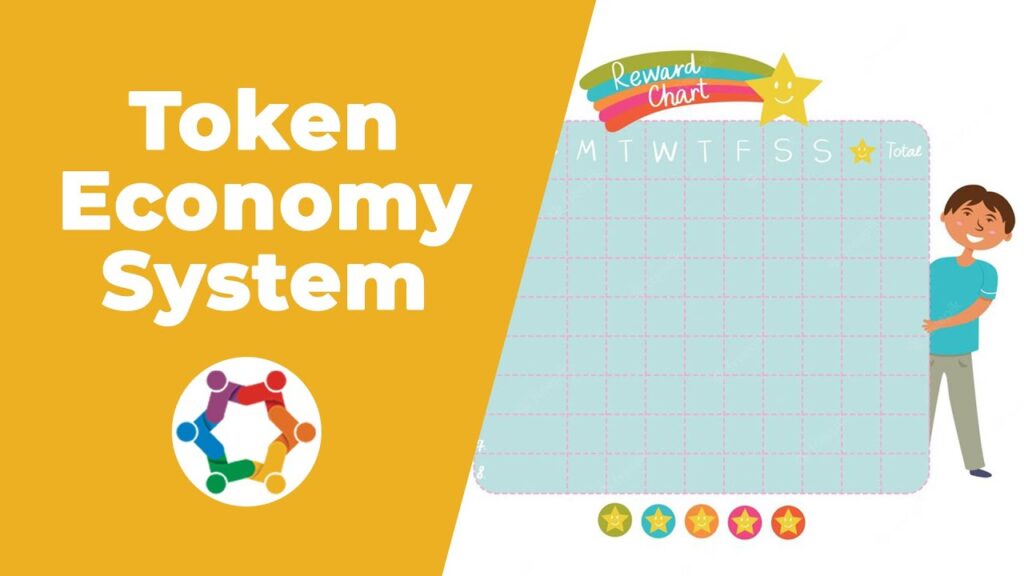
Another powerful and fun way of encouraging the habits you want to build is create a token economy. Assume of it as converting your progress into something tangible, which you can see, touch, and feel proud of. Create small tokens like your personal badge of honour which you present it to yourself on completing the habit execution. And later you can exchange those tokens for rewards you genuinely enjoy.
It stems from a simple idea: when your brain is aware the reward is due after the action is complete, inspiration naturally rises. Not being dependent on willpower alone, but the token economy is a beautiful way to look forward to, something which will celebrate your efforts and keeps you moving forward.
- Positive Reinforcement: Tokens act like a little gesture of recognition, mini reminders of you are on the right path. Whenever you earn one token, you strengthen the new behaviour you are trying to build, creating possibilities of you showing are higher.
- Motivation: Working towards rewards which are tangible is highly motivating and exciting. Tokens are tangible reasons to move ahead and continue in the journey, especially on the days when you are not at your best. This way makes your journey into a game you want to keep playing and cross another level.
- Visual Tracking: A token economy lets you literally see your progress. You see yourself growing with your eyes. Seeing your tokens increasing is phenomenally exhilarating, a visual prompt of how far you have reached and why you started.
How to Set Up a Token Economy:
- Define Tokens: Choose on the kinds of tokens you would like to use to reward desired behaviours. You can make it fun and tangible like stickers, stars, coins, or beads, or you can also choose digital ones like points on an app. Make sure to choose something which gives you the feeling of rewarding and easy to track.
- Establish Exchange Rate: The next step is to decide on the number of tokens required to “cash in” for a reward. Use simple, fixed number or you can vary the amount depending on how bid the reward is. Treat it as a personal reward currency.
- Identify Desired Behaviors: Be very clear on the kind of behaviours, actions or habits that will earn tokens. The more clarity you have the more consistent you will be. For example: “10 minutes of reading,” “a morning walk,” or “30 minutes of focused work.”
- Set Up a Token Bank: Set up a place to store and track your tokens. It can be a jar, a small box, or any digital system. A powerful sense of progress is injected when you see your tokens grow.
- Select Rewards: Choose the rewards which will excite and you experience an adrenaline rush, something for which you will really play. It could be a treat, extra downtime, a movie night, or something bigger once you’ve saved enough tokens. Important is to choose a reward which is meaningful.
- Reward Systematically: Consistency in rewarding the tokens after the habit execution is the key. The faster the reward, the robust the connection with your brain. Consistency is what transforms the token system from a fun idea into a powerful habit-building tool.
Real-Life Examples:
- Example 1: Habit – Completing Chores Tokens: Stickers or stars. Exchange Rate: 1 sticker per completed chore Desired Behaviors: Completing assigned chores Rewards: 10 stickers can be exchanged for a small toy or treat
- Example 2: Habit – Studying Tokens: Points on a digital platform Exchange Rate: 5 points per hour of studying Desired Behaviors: Spending time studying or doing homework. Rewards: 50 points can be exchanged for an extra hour of screen time on weekends
- Example 3: Habit – Exercising Tokens: Tokens in a physical jar Exchange Rate: 1 token per 15 minutes of exercise Desired Behaviors: Engaging in physical activity Rewards: 20 tokens can be exchanged for a movie night or a favorite meal
Setting up a token economy is a powerful strategy in your habit building journey. It helps you turn the process into fun and rewarding process. It will take some work from your end in defining your tokens, the exchange rates against the token, choose the behaviors you want to empower, and choose rewards that will really inspire you to take actions. It is important to create a system which will help you progress towards your goal with enthusiasm. Token system will help you create a tangible system with any goals you pick, be it studying, workouts or being productive. With this system your progress will be visible and you will be accountable and also enjoy your journey rather than feeling pressured. This system of token economy will contribute in building your confidence, consistency and help you gain a sense of achievement. Staying committed becomes easy when the process if fun and enjoyable.
Step 7: Schedule a Weekly Review
A weekly review is a total game-changer routine which you can incorporate in your daily lives. It is a pause button which you can press and take some time to breathe. Have a glance at your week with complete honesty, and take time to realign without being harsh with your goals. A weekly review is not just tick off on your completed tasks it is about knowing yourself better, celebrating your progress, and identifying gaps which can turn into detours. This weekly time is like a date with yourself, to reconnect with your intentions. You gain clarity, focus and become grounded. It gives you an opportunity to ask,” What worked and what didn’t?” “Where do I need improvement?” Gradually, as you keep practicing, this simple practice aligns you in the right direction.
Here’s how you can plan and make the most of your weekly review in a way that truly supports your growth and keeps your journey inspiring and intentional.

- Reflection: This practice when done weekly is a the time when you give yourself enough time to pause and look back at your week. The wins, the struggles, the unexpected courses, the lessons. It is your chance to decode, learn and move ahead.
- Course Correction: Identifying places where you slipped or plan failed is viral for course correction. The recognition of things not working helps you get the alteration done and give you time to realign without getting distracted.
- Accountability: A weekly review is a structure to hold yourself accountable. To be honest with yourself, it is a reminder of your promises to yourself. It reinforces your commitment to your growth, transformation and showing up for your goals.
How to Schedule a Weekly Review:
- Choose a Day and Time: Pick a specific day and time you will ensure to do your review. It can be a Friday noon to close your week with clarity or Sunday evening to reset before you start fresh the new week.
- Block Off Time: Schedule an occasion in your calendar or planner. Treat it as a non-negotiable appointment with yourself. This is your time and it deserves that level of respect.
- Set Up a Reminder: Use an alarm or reminder structure so you do not forget and it helps you in being consistent.
- Create a Review Ritual: Make yourself feel special, treat it like a date with yourself. Brew a strong coffee, light a candle, play some instrumental peaceful music in the background. Designing it this way turns this as a special event, something you look forward to.
What to Include in Your Weekly Review:
- Review Your Goals: Your short-term and long-term goals needs attention. Review them. Identify the wins, celebrate them. Identify the setbacks, correct the course. Do not beat yourself. If needed tweak your goals and just realign them.
- Assess Your Habits: Analyze your current habits and routines. Knowing which one serves you is helping you move forward and the ones not serving you is holding you back. Having deep understanding helps you make a strategy.
- Review Your Calendar: Glance through your calendar. Identify important deadlines, commitments, or events. Be prepared for them so you are firefighting at the last moment. Investing these few minutes will save hours.
- Reflect on Achievements: Do no miss this. Acknowledging yourself is important. You deserve a pat on your back. Smaller wins and bigger wins deserves celebration.
- Identify Areas for Improvement: Identify any challenges or areas where you need to grow. Do not be harsh. Just see where did you stumble? What was energy sucker? Use these findings to mild, accurate solutions for the upcoming week.
- Plan: Set your priorities straight. Choose the goals that truly matter. Make an action plan which gives you real results. Be intentional and focused. Let your action plan guide you through the week ahead.
Real-Life Example:
- Day: Sunday evening
- Time: 7:00 PM – 8:00 PM
- Reminder: Set a weekly reminder on your phone or calendar app.
- Review Ritual: Brew a cup of herbal tea, light a scented candle, and sit down with your journal and planner.
Weekly review is a habit of successful people which is non-negotiable. This one habit has the power to transform everything in your life. It is your moment where you give yourself permission to pause, breathe, and acknowledge your efforts. This is the “your” time to speculate, reassess, and realign your goals. Stay grounded and intentional about your roadmap you are walking on.
A weekly review is an honest reflection to keep you focused and productive. Every week you give yourself an opportunity to celebrate your wins and make authentic adjustments about progress over perfection. It is about you, you showing up, learning, and continuously navigating your life in the direction you desire.
Step 8: Design Your Environment
For anything to grow or develop atmosphere is the most important things for its nurturing. Creating the kind of environment for anything to grow is the most underrated system, be it a plant or a habit. Your environment plays the most crucial role in shaping your habits. Your surrounding silently influences how you think, feel and act daily. When you create an environment which support your goals, incorporating empowering habits gets easier, almost effortless. But when your surrounding is toxic it pulls you in the direction of downward spiral, in fact your intentions start to crumble.
Your job is to set up the world around you intentionally, when you do that, you set yourself up for success. Just not through will power but a smart method. Here’s how you can create an environment that gently nudges you toward the person you want to become:
- Cues and Triggers: Your surrounding is whispering instructions to you consistently. A journal in your bedroom is reminder to journal at night, your jogging shoes kept near the door invites you to go for a run. By positioning intentional triggers in your surroundings, you create a reminder structure to follow through on your habits you want to build.
- Eliminate Temptations: Eliminate your distractions to stay on track. Clear your space of temptations creates a productive atmosphere to work on your goals. Discipline is less of a battle when you have a supportive environment.
- Increase Convenience: Make the unproductive habits difficult and productive ones effortless. When your healthy habits are at your arms reach and the other ones away it makes you stick to your goals easily. Your productive habits become natural. A well-structured surrounding silently reminds you to choose your healthy habits. It walks through to the life you want to build every day.
How to Design Your Environment:
- Identify Your Goals: Get crystal clear clarity on your goals, what do you want in your life. When your goals are clear, identify the habits you want to build aligned to your goals. Who do you want to become? You can design a surrounding based on your goals. They will gently lead you in that direction.
- Create Visual Cues: Create reminders where your eyes reach, spots you can’t miss. A post it notes on your mirror, a magnet of fruit basket on your fridge, your shoes near your bed. These triggers quietly creep into to your mind and speak, “heyy, remember what is your promise?”
- Organize Your Space: Think about your calm space, let it be your personal den. Organizing your own personal space which is purposeful, meaningful and calm helps you strengthen your habits. Prepare your den with all things you need. If you want to meditate, create a cozy corner with your yoga mat, scented candles or warm lights, eye mask if you need. When your surrounding is welcoming you are bound to act and show up.
- Minimize Distractions: The biggest enemy in this journey is your distractions. Remove clutter, noise and buzz of constant notifications. This also means clear your workstation, set specific time to check emails and messages, silent your phone. A place free of distraction helps you to focus and increase your productivity.
- Establish Habit “Triggers”: Preparation of designing your surrounding is the key. Let your surrounding become the trigger for your behavior. If you want to go for a run keep your jogging clothes and shoes ready the night before. If you want to journal keep your journal open in your den. The little baby steps create a mindful psychological cues to get into action naturally.
Real-Life Examples:
- Example 1: Habit – Healthy Eating
- Visual Cue: Keep a bowl of fresh fruit on your kitchen counter.
- Organize Your Space: Arrange your pantry with healthy snacks at eye level.
- Minimize Distractions: Store unhealthy snacks out of sight in a cupboard.
- Habit Trigger: Place a water bottle on your desk as a reminder to stay hydrated.
- Example 2: Habit – Productivity
- Visual Cue: Hang a whiteboard or cardboard in your workspace for goal setting and task lists.
- Organize Your Space: Keep your desk clutter-free with only essential items within reach.
- Minimize Distractions: Use noise-cancelling headphones or play instrumental music to block out distractions.
- Habit Trigger: Set a specific time each day to review your to-do list and prioritize tasks.
- Example 3: Habit – Exercise
- Visual Cue: Display motivational quotes or images of your fitness goals in your workout area.
- Organize Your Space: Dedicate a corner of your home or room for exercise equipment.
- Minimize Distractions: Choose a quiet and clutter-free area for workouts.
- Habit Trigger: Lay out your exercise clothes and shoes the night before as a cue to exercise in the morning.
Constructing your atmosphere is a influential approach for to build healthy habits. You shape your surrounding to execute your desired behaviors in auto polit when you create visual triggers, design your surroundings, eliminate distractions and create healthy habit cues. It can be any aspect of your life, healthy lifestyle, workout, productivity, a well-structured surrounding is the foundation for success in your habit-building journey.
Step 9: Make Procrastination Difficult
The most amazing technique to conquer procrastination is to make it difficult. When you burn the boats, close the easy escape routes and include a little conflict to your normal temptations, your brain naturally gets attracted to the real task that is important. It is quietly walking towards the right direction without much dependency on your willpower. Here’s how you can make procrastination a lot less tempting:
- Increase Awareness: When you purposely make procrastination difficult, you automatically focus on the habit instead making it get diminished in the background. You suddenly realize when you are putting things off. This realization in itself is a powerful push towards transformation. It easy for you to work on things that are visible.
- Disrupt Automaticity: Procrastination is a silent enemy. It creeps in silently. You may have observed you wake up early to begin immediately and the other moment you find yourself wandering or scrolling. Adding a little disruption to the pattern breaks this preprogrammed cycle. It helps you to rest, take fresh air and make different choices.
- Encourage Action: When putting things off isn’t convenient, getting into action become a natural go-to-move. You are ready to take a plunge into action without delaying it further. This boosts your productivity and gives you an experience of accomplishment.
How to Make Procrastination Difficult:
- Limit Distractions: Limiting distractions is a gift of a clean, focused space you give to yourself. Decluttering your physical space, removing extra tabs from digital space. Treating your workspace as a sacred haven makes you feel grounded and ready. Your mind blooms in the silent environment.
- Set Clear Boundaries: Establish clear boundaries for work time and fun time. Stay in the zone of focus when it is work time, when it is resting time, let yourself fully soak into it. When you set distinct boundaries, it shields your focus and holds you back from drifting.
- Break Tasks into Smaller Steps: Big tasks overwhelm you, it feels like lifting a mountain. Break it into small, tiny and simple actions which you will immediately act upon. Each completed task makes you feel a winner, boosts your confidence and keeps you focused.
- Use Time Blocking: Use your calendar to schedule your tasks. When a specific task pops up you are mentally ready to begin. It eliminates doing random work and you stop guessing. This also avoids you going haywire during the day.
- Create Accountability: Share your tasks and deadlines that matter to you with a friend. Create an accountability partner. When someone else knows what you are up to and you feel responsible to answer, sticking to your committed tasks gets easier.
- Implement a “10-Minute Rule”: Start by committing 10 minutes of work, you will observe when you get into the work zone, the resistance melts away and you continue with the task. Starting is difficult and this makes the start easy.
- Increase Friction: Include an obstacles or barriers that make procrastination inconvenient. For example, if scrolling eats up your time, delete the apps or use blockers on your laptop. Put the distractions just far enough out of reach that choosing your goals becomes the easier option.
- Visualize the Consequences: Pause and imagine the cost you are paying when you indulge in procrastination. Imagine the stress, the guilt, the regret of missed opportunities. Let that pain guide you back to action.
Real-Life Examples:
- Limiting Distractions: Set your phone to “Do Not Disturb” mode and designate a specific time and place for work without any interruptions.
- Breaking Tasks into Smaller Steps: Instead of “write report,” break it down into smaller tasks like “outline main points,” “research sources,” and “write introduction.”
- Using Time Blocking: Schedule a block of time from 9:00 AM to 11:00 AM for focused work, and commit to working on important tasks during that time.
- Increasing Friction: If you tend to procrastinate by watching TV, unplug the TV and store the remote in a less accessible place.
Creating barriers to make procrastination is a life-changing strategy. It might be difficult when you start but it is magical when executed thoroughly. When you design barriers between you and time waster habits it becomes easy to stay focused and productive. By eliminating distractions, establishing strong boundaries, working on small tasks and including a little disruption to procrastination helps you weaken the grip of procrastination on your day and life.
It will take a bit of effort in the beginning, but later you will observe a drastic shift in your working pattern. Your mind has much clarity, your tasks feel lighter, and executing things doesn’t feel like a war. Gradually, focusing on tasks become a natural phenomenon and procrastination loses its power. When this practice, implemented daily, pushes you to show up for your goals with ease and grace.
Step 10: Surround Yourself with Role Models
Surrounding yourself with people who inspire you is the most uplifting ways to be motivated. Choose people who exemplify the qualities, skills, or success you always dream of. Being in their presence, whether in person or through their work, sparks motivation and offers priceless lessons, and helps you bring momentum in your personal growth journey. Their journey is a reminder of all that is possible, empowering you to rise your own potential.

- Inspiration and Motivation: Role models are a reminder of what is possible. Their success and achievements provoke your ambitions and compel you to reach for more in your own life.
- Learning Opportunities: Being part of the inner circle of people whom you admire, gives you a close peak into their realms of habits, mindsets, and strategies. You have an access to learn from their experiences and implement in your own life.
- Accountability: You raise your standard when you are surrounded by people who inspire you. Their presence, even their thoughts keep you engrossed, dedicated, and aligned to your goals.
How to Surround Yourself with Role Models:
- Identify Role Models: Identify the traits that motivate you. Recognise successful people who authentically personify what you aspire to become.
- Seek Out Mentors: Don’t hesitate to seek for help. Reach out to mentors who are few steps ahead and are ready to offer direction, clarity and real-world wisdom you can’t get from reading books alone.
- Join Communities: Professional groups or online forums are spaces to be explored to find like-minded people. These places expose you to growth-minded individuals.
- Attend Events and Workshops: Be present where your role models are present. When you listen to them or witness them working open a new world and sparks power that will shift everything for you.
- Follow Their Work: Track your role models, consume their content, implement their strategies. Stay connected to their ideas.
- Emulate Their Habits: Implement their habits and follow their routines. Adopt the habits that are aligned to your goals and see how that helps you uplift your life.
Real-Life Examples:
- Identifying Role Models: If you admire Elon Musk’s innovative thinking and entrepreneurship, he could be one of your role models.
- Seeking Out Mentors: If you’re interested in a career in finance, you might seek out a successful financial advisor or investor to mentor you.
- Joining Communities: Joining a local running club if you admire the dedication and discipline of its members.
- Attending Events: Attending a leadership conference where successful business leaders are sharing their experiences and insights.
The fastest ways to grow fast, surround yourself with your role models. You soak yourself in their energy, inculcate their mindset, and implement their habits. When you deliberately pursue your role models whose traits you respect, you give yourself evidence of what is possible and a roadmap for who you want to become.
Role models compel you to get out of your comfort zone, dream bigger, stay accountable, and raise your standards, simply by being who they are. No matter how you are connected with them, in person, through any forums or by learning from their work, their presence pushes you to move forward with purpose and clarity.
Step 11: Turn Accomplices into Supporters
When you begin on your journey to a positive change, you will meet individuals you unintentionally sabotage your growth. They unknowingly become accomplices to your old habits. At times, those people are very close to you. They may love you deeply but their actions like encouraging procrastination, giving you ideas of shortcuts or push you towards unhealthy choices inadvertently derail your progress.

An accomplice isn’t your enemy; it’s just their patterns aren’t aligned to your goals. It could be your work colleague who tempts you eat junk food, a family member who disempowers your dreams, or a friend who tells you to relax, when you are working on being productive.
Want some good news? With some mindfulness, consciousness and right tactic, this group of people can become your strongest supporters, cheering you on, supporting your dreams, encouraging your growth and helping you stay true to the person you want to become.
- Positive Influence: When you successfully convert your accomplices into your supporters, you surround yourself with people who encourage you rather than stopping you. The journey becomes easy and lighter with their support and energy.
- Increased Motivation: When you have supportive people around, they fuel your drive. When you see someone rooting for you and your success makes the journey easy and commitment to push through tough times gets solid.
- Accountability: Supportive people keep you in check with truth and grounded. They compassionately remind you of your goals and they step in to support you when they see you slipping back in old patterns. They become your anchor to stay aligned with your new becoming.
How to Turn Accomplices into Supporters:
- Communicate Your Goals: Share your goals and intentions honestly with them. Explain it to them on what you ae working towards and how important it is for you. Making them understand the importance of their role in supporting you makes a difference.
- Set Boundaries: Be very clear about your expectations, the boundaries you are defining and the behaviours that can conflict with your goals. Letting them know the behaviours that may hinder your progress will give them clarity on the way they need to support.
- Lead by Example: Let your growth speak for itself. When you supporters see they change you are talking about it helps them see your goals clearly. The game is about demonstrating what you say.
- Seek Understanding: Ask about their opinions and how much they matter. They may not be aware of how unknowingly their actions are hindering your progress so clear communication will make a huge difference.
- Encourage Positive Alternatives: Propose healthier or productive options. For example, suggest healthy dining options to a friend who always suggests fast food, or propose a study session instead of procrastinating with a coworker.
Real-Life Examples:
- Example 1: Unsupportive Friends Scenario: Your friends often encourage you to skip your gym sessions and indulge in unhealthy food choices. Transformation: Communicate your fitness goals to your friends and suggest alternative activities such as hiking or cooking healthy meals together.
- Example 2: Negative Family Members Scenario: Your family members constantly criticize your career choices and discourage you from pursuing your passions. Transformation: Have an open conversation with your family about your career aspirations, share your achievements, and explain how their support can positively impact your journey.
- Example 3: Procrastinating Coworkers Scenario: Your coworkers frequently engage in procrastination, which affects your productivity and motivation. Transformation: Lead by example by staying focused on your tasks, offer to collaborate on projects to keep each other accountable, and suggest strategies for staying productive as a team.
Step 12: Create a Commitment Contract
An empowering tool to hold yourself accountable is a commitment contract. It is like a promise to your best version. A documented agreement that summarizes your commitment, the milestones you want to achieve and the follow through actions if you don’t follow through. It structures your goals with clarity and sense of seriousness. This makes it difficult to ignore.Designing a commitment contract is not to get pressured by it, but is about giving a reasonable opportunity to succeed. It converts ambiguous intentions into tangible actions. It is like a reminder to you that your dreams deserve deep determination and massive success. Here’s how you can build a strong, effective commitment contract that actually works:

1.Define Your Goals: Begin with clarity of your goals, what you want to achieve. Be it health, career, relationships of personal growth. Define your goals in SMART format. It is for your clearly know what you are working towards.
2. Outline Your Commitments: Jotting down explicit action and behaviours you need to implement is the second step. Break it down into small doable actions that needs to be incorporated into your daily routine. These small promises will make you reach your goals.
3. Set Milestones: Setting up check points is important, that is one way of tracking your progress. These milestones help you keep your motivation alive and act as indicators of your progress.
4. Determine Consequences: Identify your token economy and rewards aligned to your goals. Ensure to have positive consequences for achieving and negatives for failing tot meet. Design it in a way that is meaningful enough but still fair and doable. The intention is not to punish yourself.
5. Write Your Contract: Create a clear, detailed contract that includes your goals, actions, milestones and rewards. The more explicit you are the stronger your commitment will show up.
6. Sign and Date Your Contract: Treat it as a real agreement legally binding you for your commitment. It speaks your commitment and determination to achieving your goals. Signing it adds emotional weight.
7. Share Your Contract: Confide in someone whom you trust deeply, your biggest cheerleader. It can be a friend, family or a mentor. Their presence adds a layer of accountability you won’t want to break.
8. Review and Revise Regularly: Have a regular occasion in your calendar to review your agreement. It helps you track your progress and necessary tweaking when required. Update the progress of your milestones and rewards and don’t forget to celebrate.
Example Commitment Contract:
Commitment Contract
I, [Your Name], hereby commit to the following goals and actions to improve my [specific area of improvement] over the next [timeframe]:
- Goal: [State your specific goal]
- Action: [List the actions you will take to achieve this goal]
- Milestones: [Set specific milestones to track your progress]
- Milestone 1: [Describe the milestone and deadline]
- Milestone 2: [Describe the milestone and deadline]
- Milestone 3: [Describe the milestone and deadline]
- Consequences:
- Reward for reaching each milestone: [Describe the reward]
- Consequence for failing to reach each milestone: [Describe the consequence]
- Goal: [State your next specific goal]
- Action: [List the actions you will take to achieve this goal]
- Milestones: [Set specific milestones to track your progress]
- Milestone 1: [Describe the milestone and deadline]
- Milestone 2: [Describe the milestone and deadline]
- Milestone 3: [Describe the milestone and deadline]
- Consequences:
- Reward for reaching each milestone: [Describe the reward]
- Consequence for failing to reach each milestone: [Describe the consequence]
By signing this commitment contract, I choose to hold myself accountable to my goals, to my growth, and to the actions that will move me forward. It is my promise to myself that I will not just set my intentions and goals and forget them. I will make sure to return to this contract consistently, review my progress, and make necessary amendments whenever required so I can keep evolving and staying aligned to the future I aim to build.
Signed: [Your Signature] Date: [Date of Signing]
A commitment contract is a powerful tool for ensuring that you stay committed to your goals and aspirations. By defining your goals, outlining your commitments, setting milestones, determining consequences, and formalizing your agreement in writing, you create a structured framework for success. With your commitment contract in place, you’ll find yourself more accountable and motivated to achieve your goals than ever before.
Step 13: Get Accountability
The most powerful forces behind real and lasting change are accountability. You are compelled to stay focused, committed and motivated when you know you are answerable to yourself and someone else. Accountability helps you get into action rather than keeping your goals like a distant dream. Here’s how you can bring that kind of support into your life:
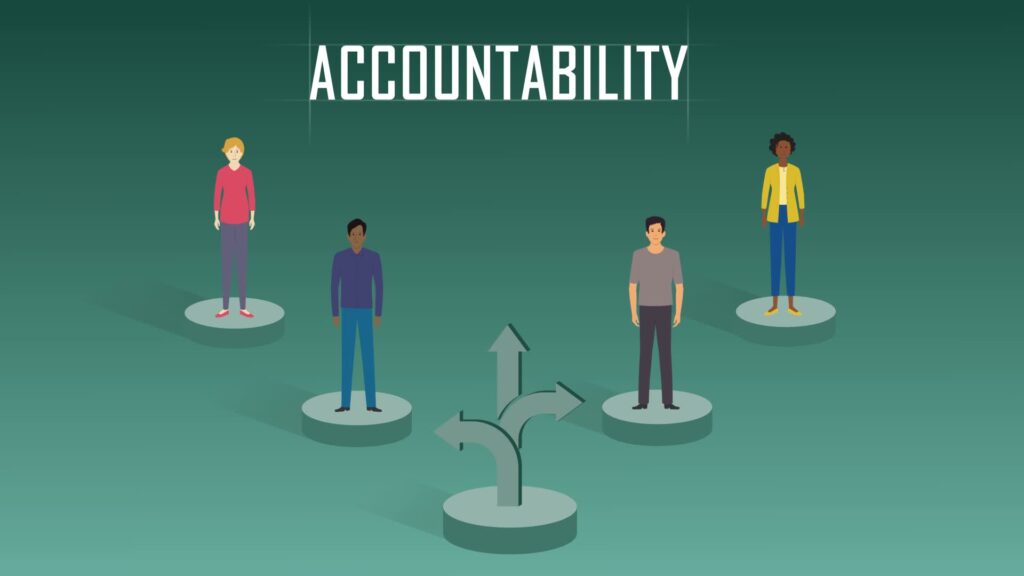
1. Find an Accountability Partner: Choose a person whom you trust, It can be anyone a friend, sibling, mentor, or a colleague, some who is genuinely interested in your growth. Make sure that person is consistent, sympathetic and speak plainly to call you out (with love) when needed. Someone who has the courage to call a spade a spade.
2. Set Clear Goals: Define your goals and get clarity in exactly what you want. Use the SMART method to define your goals. It has to be precise so that you and your partner knows when progress is visible.
3. Share Your Goals: Update your accountability partner about your goals and why it matters to you. Your accountability partner is very important in your habit-building journey because they are the ones to understand your motivation and their support makes a lot of difference.
4. Establish Check-In Points: Create a strong review system weekly, fortnightly, monthly, quarterly. This is the time to track your progress These reviews keep your goals alive and keeping you on track and prevents you from drifting.
5. Be Honest and Transparent: Be honest and transparent while reviewing your goals. The aim to know the reality and not to beat yourself. Moments of celebration are a must but also talk about the slip ups or resistance to go through. The more transparent you are the more trust you build; it also strengthens your commitment.
6. Set Consequences: Decide the consequences when you succeed and when you fail. Rewards and consequences add structure and motivation.
7. Use Technology: Technology helps you enhance your accountability. Take support of apps, habit trackers, online communities to boost accountability and make progress easier to monitor.
8. Join a Support Group: Joining a support group and engaging with people who share the same goals as yours is a great support. It creates a sense of belonging and encouragement. Their energy does not allow you to fall.
9. Reflect and Adjust: Life is uncertain and it changes. Keep time to contemplate and analyse your plans. Keep a thorough check and adjust your strategies. Keep moving ahead with clarity and compassion.
Example of Accountability:
You set a goal to exercise for at least 30 minutes every day to improve your fitness. Your accountability partner is your friend Sarah. You share your goal with Sarah, and she agrees to check in with you every evening to see if you’ve completed your workout.
Every evening, Sarah sends you a text message asking about your exercise session. If you’ve completed your workout, you respond with a thumbs-up emoji. If you haven’t, you explain why and discuss strategies to overcome any obstacles.
Knowing that Sarah is expecting your response each day motivates you to prioritize your workouts and stay consistent with your exercise routine.
Accountability is the secret ingredient that transforms your goals from a distant dream into reality. When you are courageous enough to be answerable for your actions, to yourself or to someone else, you create a healthy ecosystem that keeps you focused and motivated. When you have a strong accountability partner committed to your growth the possibilities of you staying committed, conquer the challenges and celebrate real lasting change increases. When someone walks beside you on your journey, even the toughest goals start to feel achievable. You don’t just move forward—you rise.
Step 14: Prevent Mental Loopholes
Your mind can be your biggest enemy while you are working to achieve your goals. It keeps whispering excuses, offers, permissions, and it allows you to succumb to excuses and break rules you created. Psychologists call these little tricks mental loopholes. These are silent explanations that allow you to slip into your comfort zone without feeling guilty. You might have observed yourself talking, “I had a hectic day, I need to rest”, or “let me start again tomorrow when I am fresh”. These thoughts give you comfort and relief in that moment, but they also pull you away from your goals. But here is the good news. These thoughts can be avoided when you raise your awareness. When you are aware you can make different choices because you know the little tricks of mental loopholes are at play. You can stay dedicated, engrossed, and bring alignment towards your goals and life.
Here’s how to prevent mental loopholes and keep yourself on track:

1. Recognize Your Mental Loopholes:
The journey starts with recognising the little stories your mind keeps telling you.
“I’ll start tomorrow…”
“I deserve this…”
“It’s just this once…”
These little stories are you biggest hindrance, they are comforting but they also destabilize your progress.
2. The Tomorrow Trap: Scenario: let’s take this scenario, you promise yourself to exercise tomorrow, then tomorrow the alarm rings, you snooze it and then another promise, another tomorrow. This keeps going on.
Prevention: The best place to start is today, now. Keep reminding yourself. The tiniest actions make a lot of difference and that enough to break the cycle,
3. The False Reward: Scenario: This is something we all have faced. You start with a healthy diet and you eat healthy the whole week. At the end of the week, you reward yourself with a cheat meal and without you even knowing that spirals downward to a cheat week.
Prevention: Understand that the true rewards are the ones that align with your goals. When you choose your rewards ensure to choose the ones that support your progress, not sabotage it. It can be as simple as 15mts of listening to your fav song or a relaxing shower.
4. The All-or-Nothing Fallacy: Scenario: There will be times where you will miss an exercise routine. Normally you would declare yourself a failure and abandon the complete exercise routine and go back to the same loop.
Prevention: Here is the time to remind yourself, Progress is never all or nothing. One slips up won’t delete all your other efforts. Just get back to your routine that you chose and move on. No mental drama is needed.
5. The Comparison Trap: Scenario: There are many times you have compared yourself with others progress with the same goals. You feel disempowered because you feel you will never match up to theirs.
Prevention: A simple reminder no two person’s journeys are same, everyone has a unique one. Your job is to focus on your progress and celebrate your own achievements rather than falling into the comparison trap. Celebrate no matter how small they are compared to others.
6. The Planning Fallacy: Scenario: You miss on estimating the right time to complete a job. You may take more or less. This leads to frustration and giving up.
Prevention: Understanding the time, you take to complete a task is a skill you need to develop. It comes with practice. Practice breaking tasks into tiny actions and assigning more time than required. The more you practice the more you will be preparing yourself for unexpected tasks or delays or challenges.
7. The “What the Hell” Effect: Scenario: There will be days when you may eat one unhealthy meal, and then you think, “it is ok since I have messed up with one meal, it is ok if I indulge more for other ones.”
Prevention: Do not fall into this trap. Here is the time to catch yourself in the moment. One mistake will not undo your progress. Just reset immediately. The faster you bounce back, the stronger the habit finds its ground.
8. The “I’m Different” Excuse: Scenario: You convince yourself that the rules aren’t meant for you because you are in a different situation.
Prevention: Knock some reality in your head. These are laws and these principles are applicable to everyone in the same manner. Do not use being different as an excuse. Don’t let your ego talk you out of growth.
The most necessary step is to avoid the mental loopholes. It is a powerful approach to be loyal towards your goals. Once you learn to recognize these little mind tricks, you take charge of your life. Instead of going back to your old habits, or using excuses as a shield you can divert yourself and keep moving ahead.
Step 15: Plan for Failure
This habit-building journey to achieve your goals is not coming without any setbacks. They are inevitable, the earlier you accept this the better for you. What will truly shape your success is not avoiding failures but learning to be resilient and tenacious. When we say planning for failure, does not mean expect the worst. To what degree you are honest with yourself. You need to accept that setbacks are bound to show up, but you being prepared with necessary tools that will help you navigate through those challenges. This approach makes you win the game. When you are fully prepared for the tough times, you take away their power to disrupt your growth. Instead of being a failure you are ready to refocus, recalibrate and move ahead.
Here’s how to plan for failure in a way that helps you come back stronger each time:
1. Anticipate Potential Challenges: Take a pause and review your journey. What are the things that may slow you down? Might be some external hindrances which aren’t in your control, like time or responsibilities that takes away your attention. Or something internal, like self-doubts, fear of failure or judgment, or to maintain the image of perfectionist. You win half the battle when you name these potential challenges that may be a hindrance in your journey.
2. Visualize Worst-Case Scenarios: This is to ground you, not frighten you. Just visualise the worst thing that may happen if things do not work out as planned. When this fear grips you, you deny the permission to control you. You feel in control, calmer and move with clarity.
3. Develop Contingency Plans: When you have recognised the potential challenges, map out your responses to unexpected challenges. Create an exigency plan. This works as your safety net, to avoid you from falling. Havving a contingency plan gives you confidence to go all out and take risks. Jot down every possible and precise action that you will execute, people you will seek support from and the amendments you will make.
4. Seek Support: When you are ready to play full out, make a strong team. Seek support from friends, family, mentor, support groups. You are not alone in this game. In your low times, one conversation has the power to shift your energy. Support is not a weakness; it’s one of your greatest strengths.
5. Learn from Past Failures: Revisit your past failures and mistakes to extract precious lessons. What did you learn? How did it shape you? Those moments were your training for the future you are out to build. Use these experiences to hone your tactics and reset your approach.
6. Adjust Your Expectations: Be brutally honest with yourself. Things you can manage and cannot manage. It is time to be realistic about your timelines. This is not lowering your standards rather it is choosing to be gentle with yourself then getting pressured. Allowing yourself to be human, challenges feel less overwhelming.
Real-Life Scenarios:
1. Career Setback: Scenario: You didn’t get the promotion you were hoping for at work, despite putting in a lot of effort.
Contingency Plan: Reach out to your supervisor for feedback on areas for improvement, and create a development plan to strengthen your skills for future opportunities.
2. Weight Loss Plateau: Scenario: You’ve hit a plateau in your weight loss journey, and the scale hasn’t budged for weeks.
Contingency Plan: Consult with a nutritionist or personal trainer to reassess your diet and exercise routine. Focus on non-scale victories like increased energy levels and improved fitness.
3. Business Venture Failure: Scenario: Your business idea didn’t take off as expected, and you’re facing financial difficulties.
Contingency Plan: Seek advice from business mentors or financial advisors to explore alternative revenue streams or funding options. Consider pivoting your business model based on market feedback.
4. Academic Struggles: Scenario: You’re struggling to keep up with your coursework and fear failing a class.
Contingency Plan: Reach out to your professor or academic advisor for guidance and support. Develop a study schedule and seek tutoring or academic resources to improve your understanding of the material.
5. Relationship Challenges: Scenario: You’re experiencing conflicts in your relationship and worry about its future.
Contingency Plan: Schedule a time to discuss your concerns openly and honestly with your partner. Consider couples counselling or therapy to work through communication issues and strengthen your relationship.
Planning for failure, is not about going in a negative trap or expecting things to fall apart. It is about preparing yourself. It is about empowering yourself with clarity to take challenges head-on when they arise. Investing time in anticipating obstacles, making back up plans, creating a support system, and learn from failures, you build resilience and tenacity that helps you move forward faster. When you are prepared, challenges do not feel like dead ends, they become stepping stones. You embrace the truth and the truth is, failure is not the ultimate destination, it is the very moment where you begin to grow and your next level takes shape.
Conclusion:
In constructing your Habit Blueprint, you have begun your journey to personal growth and self-mastery. The habit blueprint is beyond creating routines. Every element of this habit blueprint is to help you build habits that stick, conquer the obstacles that life throws at you. It allows you to tap into the realm of your potential which already existed.
By starting small — almost ridiculously small — you’ve given yourself the gift of consistency. When you build a chain of sequences, choose intentional cues, and surround yourself with people who support you, you create a steady and strong foundation for success.
Furthermore, you set up a token economy, scheduling weekly reviews, shaping your environment for success, and focus on making procrastination inconvenient have all the given structure needed to be aligned to your goals. Through commitment contracts, accountability practices, and even planning for failure, you’ve strengthened your own resilience, turning setbacks into lessons instead of limitations.
Remember: The Habit Blueprint isn’t a quick fix — it’s a lifelong practice. Growth doesn’t happen overnight, but it does happen with every small win, every conscious choice, and every moment you choose to show up again.
Stay committed. Stay flexible. Celebrate even the tiniest victories.
With steady dedication and a resilient heart, you won’t just change your habits — you’ll reshape your mindset, your direction, and ultimately, your entire life.
RELATED TOPICS:
Mastering Single-Tasking: 6 Amazing Strategies to Achieving More by Doing Less
Unveiling Your Authentic Self Blue Print: 4 Eye Openers For Self-Growth
The Art of Unlearning: 3 Amazing Steps to Sail Through
Visualizing Success: 6 Actionable Strategies to Reframe Your Mindset and Manifest Your Dreams
Revolutionize Your Habits: 4 Dynamic Strategies for Lasting Change
Power of Habits: 6 Habit Hacks To Boost Your Potential with Personal Growth
Cultivate Your Best Version: 5 Proven Strategies for Success
Embracing Discomfort: 5 Wonderful Strategies to Fuel Personal Growth Beyond Your Comfort Zone
Unlocking Potential: 6 Strategies to Maximize Your Success
Boost Productivity For Night Owl Habits: 5 Effective Evening Routines




Pingback: The Discipline of Lifelong Learning: 10 Astonishing Strategies of Intellectual Growth - True Potential Quest
Pingback: Beyond Success: 5 Ways To Crafting an Amazing Life - True Potential Quest