

Jump To Section
Navigating Parental Guilt
As parents we are familiar to the parental guilt. Imagine this: you had a hectic, tiresome day at work, as you walk through the door wanting some peaceful moments with self. Here you are facing your child, throwing tantrums, struggling, needing more attention from you. Tiredness has already taken over you and you have no energy left. Frustration takes over you; you lose your patience and raise your voice. The next moment you freeze, it hits you the familiar heavy feeling in your chest, sinking and making it heavier. The guilt.

As a parent, especially a single parent I have gone through for some many years and that is why this blog. This blog may help you to navigate that emotional tightrope. The faint line between discipline and compassion. We have interpreted parenting as choosing one or the other which I realized it is so untrue. Parenting is all about you as a parent learning to guide your child with boundaries and love.
Some day you may succeed and some days you won’t, which is perfectly acceptable. The objective is not to be perfect, but being aware, intentional and growth. Have you been caught in the tug-of-war between being stern and being gentle. Have you been asking yourself are you doing enough, then you have come to the right place. This blog is an exploration place to know how to manage parental guilt and parent both with consciousness and confidence.
The purpose of this blog is to take a closer look and understand what parental guilt really is and why does it show up so often. We will shed light on some common triggers and those moments the lingering questions of your choices. Times when you wish you would have handled things differently. The most significant question we want to uncover is why finding the right balance between being stern and being compassionate is so critical when you want to raise emotionally, healthy, secure and conscious children.
We will unleash some simple, practical ways to establish clear boundaries while we still raise them with empathy. We will look at how to use positive reinforcement, the way we communicate builds trust and create a safe environment where you both feel understood and validated. Your well-being is the primary focus and that is why we will dig deep into the role of self-compassion and share tools to assist in managing and easing out parental guilt when it unescapably shows up.
By the end of this blog, you’ll feel more equipped, more supported, and more confident in your parenting journey.
Understanding Parental Guilt: Navigating the Emotional Labyrinth
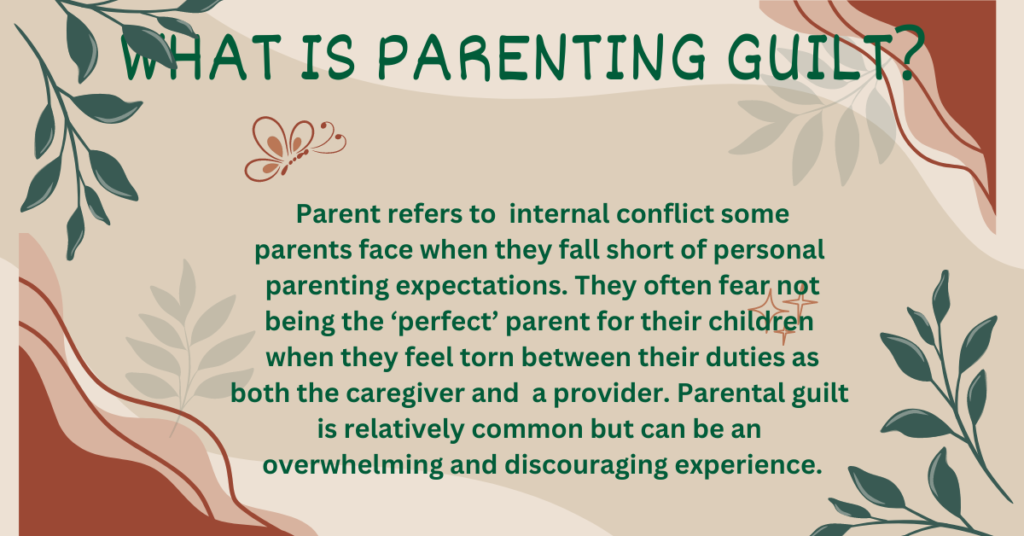
Parental guilt is that silent, persistent irksome voice in your mind that keeps whispering, “you are not enough, you could have done better”. It the constant feeling of scarcity where you feel, “not enough”, “not doing it right”, or “somehow as a parent you are falling short”. It crawls in silently during small moments, a forgotten school note, you raising your voice, or at times when you are tired and do not have the energy to be patient even when you want to be. As a matter of fact, almost every parent experiences it. It comes from deep unconditional caring.

There are various reasons parental guilt shows up in parenthood. Society has a built an image of an ideal parent, consistently promoting the right way to raise a child, books on parenting, and well-meaning but overwhelming advice. When the reality of a parent does not match the mould, it’s natural to feel like you are not doing the right thing.
Then of ‘course your own expectations that you have set on the way. Many parents want to be perfect, to never be angry, never miss any work related to the child, never make mistakes. But in the parenthood journey, mistakes are inevitable and when you strive for perfection it fuels more guilt. And the other emotion is fear of getting it wrong. When you are driven by your every choice as a brick to your child’s future, it will lead you towards self-doubt and questioning.
For you to begin this journey, it is important to understand the first step, which is sources of guilt. It helps you loosen its grip and allow you to parent with more compassion, for yourself and your child.
The emotional burden of a parental guilt runs far deeper that most of us realize. A lingering guilt turns to a constant undercurrent of stress and worry. Most of the parents feel anxious, worried or “not good enough”. Gradually, these habitual feelings chip away your confidence, making you doubt your ability to handle every parental challenges.
This sense of insufficiency drives you towards a feeling of helplessness, as if no matter what you do, it never enough. When as a parent you carry this emotional weight, it is certainly going to show up in your relationship with your child. Patience is not accessible, empathy runs thin, and the smallest change feels bigger than they are.
Parental guilt doesn’t just touch the mind; it touches the heart. And acknowledging its impact is the first step toward healing it.
The ripple effect of parental guilt is equally profound for children. Parents compensate their emotional burden of guilt by becoming over protective or too lenient. While well-intentioned, this leads to mix emotional signals, one day the parent seems strict, the next being over compassionate. Children are confused about this kind of behavior and boundaries, not sure of what to expected or what is expected of them.
Children are exceptionally intuitive. They acquire their parent’s emotions, be it anxiety, stress, tension or emotional overwhelm, even when nothing is said aloud. This emotionally tensed environment leaves the home unstable, leaving children feeling worries and unsecured without have full understanding of the reason beneath.
Identifying the source of parental guilt the impact it has on you and your child is the primary step. Once you decode the pattern, you can than choose healthier balance and approach parenthood with more clarity, confidence and compassion.
The Importance of Balance in Parenting
Parenting is a dynamic journey that requires a careful balance between discipline and compassion. Finding this equilibrium is crucial for the healthy development of children, fostering an environment where they feel both secure and supported.
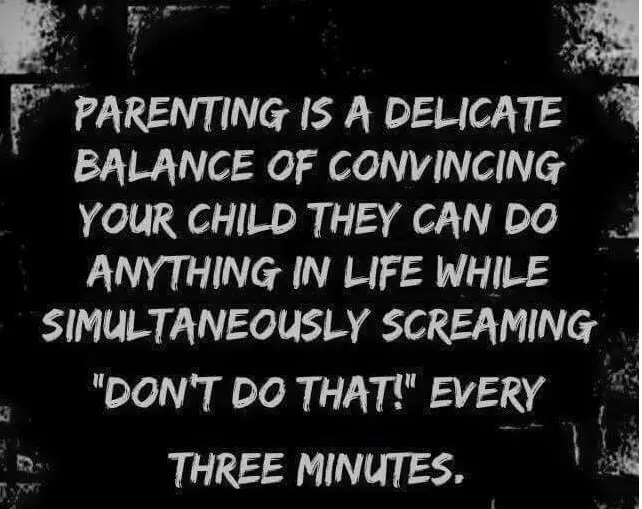
Tough Love in parenting is simply establishing boundaries and setting rules consistently, regardless your child likes or not. The choices are made keeping the child’s long-term well-being and not just the short-term comfort. The purpose of tough love is to teach responsibility, accountability and the reality of consequences.
For example, following a timeline for coming home, in spite of objections, teaches the child about time management and respect for rules. It is never about being strict for parents’ ego; it is about giving the child needed structure they require to grow strong and resilient.
Compassionate Parenting, the other side of the coin, focuses on compassion, consideration and emotional support. Being present when your child is struggling, authentically listening, acknowledging their feelings, and consoling and comforting them. While this approach nourishes and strengthens the parent-child relationship, it injects a sense of security and self-worth.
For example, when your child has a tough day at school, show them that their emotions do matter and are respected, while you are upholding your expectations you can still show compassion.
The key to raising conscious, confident and emotionally healthy children lie in finding the right balance between tough love and compassionate parenting. Do not count on tough love as it creates resentment, the child’s self esteem lower’s and creates friction in the relationship. On the contrary, being too lenient drives the child to poor discipline, privilege, and difficulty in facing challenges. The aim is to get in a healthy blend of both of approaches be it structure and empathy or firm boundaries supported with genuine understanding and love.
In essence, balanced parenting equips children with the skills and emotional resilience they need to navigate life’s challenges. It prepares them to become responsible, empathetic adults who can strike their own balance between discipline and compassion.
Strategies to Balance Tough Love with Compassion
Balancing tough love with compassion in parenting is essential for nurturing well-rounded, resilient children. Here are some effective strategies to achieve this balance:

Set Clear Boundaries: Children have clarity about what is expected of them, when clear and consistent boundaries are established Describe the rules and the reasons behind setting them. Give them clarity on the consequences after breaking them. This helps them cultivate stability and integrity, demonstrating to your child that boundaries are created to support and protect them.
Use Positive Reinforcement: Instead of only focusing on correcting their behaviour also encourage their good behaviours with rewarding them. This helps the child to reinforce the positive healthy behaviour. Praise, appreciation and small rewards work as tonic for them to understand with right positive actions comes consequences. Consequences are good as well. This approach makes the child known that their efforts are seen, valued and appreciated.
Practice Effective Communication: Open, honest communication is important for balancing both approaches. Listening to child’s feelings without judgment and when you are establishing rules take efforts to explain the reason behind it and also the consequences calmly and clearly. Involve them in the process by asking questions or answering to their doubts. This leaves the child with a feeling of being understood and heard.
Model Empathy: Demonstrate to your child that their feelings matter. Acknowledge their emotions and validate their experiences. For example, If they are upset about a particular consequence, empathise with them and tell them that you know how they feel but still uphold your expectations of they following the rule. This simply teaches them that both is possible, to be firm and compassionate at the same time.
Consistency is Key: Consistency in enforcing rules and consequences is crucial. When boundaries shift and rules change or consequences differ, children are left confused and in ambiguity. They question your authority. By you walking your talk about every time a rule is not followed. When you consistently remind them the importance of those boundaries you also build trust in your parenting.
Self-Compassion for Parents: Your job as a parent is first and foremost, to manage your parental guilt. It starts with you being kind to yourself. Parenting is not easy and you are bound to make mistakes in this journey of parenthood. But remember they are not evidence of your failure. When you accept and acknowledge your own humanity and prioritize your emotional well-being, your children model the same. You showing them empathy, showing up calmer, and clearer helps children to demonstrate the same.
Intention and patience are the two elements required to balance tough love and compassion. You create a nourishing environment for your child when the boundaries are tightly established, you focus on positive reinforcement, you embrace open and honest communication, you practice empathy and stay consistent in do so.
When you are compassionate with yourself, your children observe you. Your job as a parent is to create an ambience where discipline and emotional growth go hand in hand. This harmonious atmosphere helps you in strengthening your relationships but also equips your child with resilience, confidence and emotional quotient.
Practical Examples and Scenarios for Balancing Tough Love with Compassion
Balancing tough love with compassion can be challenging, but practical examples and scenarios can help illustrate how to achieve this equilibrium effectively. Here are a few real-life situations where this balance is crucial:
Scenario 1: Homework Disputes
Let’s take this scenario, your child has homework to complete and refuse to complete it. Here tough love method will want you to enforce the rule that there will be no screen time if homework isn’t completed. However, if you take the approach of compassion, you will sit them down, openly talk and understand their feelings, what is that is bothering them, are they not able to understand the material.
In this situation, you are establishing the rule firmly but also extending the needed support by helping them in their studies or researching the additional resources. The dual approach merges discipline with empathy, assuring that your child experiences support while they also understand the seriousness of adhering the rules.
Scenario 2: Bedtime Routine
Another scenario, you have set your rule for bed time for your child. Your child frequently resists to follow that. When you execute the stern approach which would be to go to bed without flexibility. However, to bring balance in this with compassion, you can bring in flexibility for a short period but keep the bedtime consistent.
Again, your child might have legitimate concerns or needs and to understand that have an open communication. They could anxious about a test next day, acknowledge their emotions and extend your support in dealing with that before forcing on the rule of bedtime. This kind of balanced approach will help you maintain the structure while dealing with your child’s emotional needs.
Scenario 3: Chores and Responsibilities
Think about this situation, your child is avoiding their chores. Your tough love approach would want to involve executing consequences, depriving of privileges. To get in the balance approach of compassion, make the understand the importance of chores and how they are contributing to the family.
Propose them to work alongside in the beginning, so that you can teach them as well as encourage them. This approach shows the child that how important responsibilities are but also how you are willing to stand by them when they face challenges.
The key element in every scenario is to impose rules consistently but also being sensitive to your child’s needs and emotions. When you blend discipline with empathy, you adopt a friendly, encouraging atmosphere that endorses both responsibility and emotional well-being.
Tips for Managing Parental Guilt
Parental guilt is a common experience, but it can be managed effectively with some practical strategies. Here are key tips to help you navigate and reduce feelings of parental guilt:
1. 1. Set Realistic Expectations: Just get this clear, no parents exist who gets everything right. Ditch perfection, and aim for real, achievable goals. To help you learn, grow and evolve as parents, mistakes are the stepping stone. Know that your genuine efforts are needed, avoid comparing yourself with other parents or unrealistic standards. Everyone has their own journey.
2. Prioritize Self-Care: Self-care is essential if you want to manage parental guilt. Invest time on yourself indulging in something that makes you happy. It could be exercising, meditating, a simple stroll, or spending with friends. When you bring balance between your physical and emotional needs, you enable yourself to face the demands of parenting without extra guilt.
3. Reflect on Your Values: Know what are you core values, principles, and parenting goals that you give prime importance to. Let your choices be guided by these principles. When you take actions aligned to your values, you feel centered, confident and refuse the external pressure. You will realize you do not feel parental guilty anymore about the choices you make.
4. Seek Support: Do not think of yourself weak, if you need to take help from your family, friends, or guidance from parenting groups. You gain fresh perspectives when you share your challenges with others. You are not alone. When you engage with strong support system you find encouragement, reassurance and handy suggestions. All of this accumulated lightens the burden of parental guilt and gives you more clarity.
5. Practice Self-Compassion: Learn to be gentle with yourself and remember parenting is an ongoing learning process. Take out time and forgive yourself for instances which you know you could have handled it better. Every parent has such moments. Stop being harsh with yourself, instead of criticising become your own loudest cheer leader, think kinder thoughts and use positive affirmations. Remind yourself about the huge loving influence to have on your child’s upbringing.
6. Set Boundaries: Stop getting consumed excessively. Turn down tasks which you know you can’t handle. You are protecting your energy. Do not take extra responsibilities that build on needless stress. Clear boundaries allow you to focus on what really matters to you. This also avoids parental guilt from sneaking when you are unable to anything.
By implementing these tips, you can manage parental guilt more effectively and create a healthier, more balanced approach to parenting.
Conclusion
Balancing tough love with compassion is a critical aspect of effective parenting, and navigating parental guilt can be challenging. Throughout this blog, we’ve explored several key strategies to help you achieve this balance.
We explored the importance of establishing clear boundaries, while you can still be empathetic. We also understood how discipline works best when handled with kindness and understanding. We got to know the importance of tools like honest and open communication, positive reinforcement, and consistent follow-through. All of this give your behaviour a direction without compromising emotional support. We also took a peek at real life examples which demonstrated how the balanced approach play out in real life. We also understood practical tips to manage parental guilt like, setting realistic expectations, importance of self-care, making choices aligned to your values, and seeking support when required.
Parenting is an unending journey of learning, growth and adaptability. You will take time to strike a balance between discipline and compassion. It will demand lot of time, patience and practice. Every parent goes through this roller coaster and mistakes are part of the journey, not evidence of failure. Start the journey with self-compassion, and trust yourself and your efforts, especially on days when you are low. This way you are shaping your child’s future in a meaningful and thoughtful way.
We encourage you to reflect on the strategies discussed and consider how they might be applied to your own parenting approach. Your experiences and insights are valuable, and we invite you to share them with our community. Feel free to ask questions or seek advice—engaging with others can provide additional support and perspective.
For more tips and resources on parenting, don’t forget to subscribe to our blog. Your journey toward balancing tough love with compassion is ongoing, and we’re here to support you every step of the way. Together, we can foster healthier, more supportive environments for our children to thrive.
Additional Resources
Books
The Whole-Brain Child: 12 Revolutionary Strategies to Nurture Your Child’s Developing Mind by Daniel J. Siegel and Tina Payne Bryson
- This book offers insights into how understanding your child’s brain development can improve parenting strategies, including balancing discipline with compassion.
Parenting with Presence: Practices for Raising Conscious, Confident, Caring Kids by Susan Stiffelman
- Provides practical advice on how to be a mindful and compassionate parent while maintaining appropriate boundaries.
The Gifts of Imperfect Parenting: Raising Children with Courage, Compassion, and Connection by Brené Brown
- Offers guidance on embracing imperfection in parenting and creating a supportive environment for children.
Self-Compassion: The Proven Power of Being Kind to Yourself by Kristin Neff
- A valuable resource for understanding and practicing self-compassion, which is crucial for managing parental guilt.
Articles
The Science of Compassionate Parenting by Greater Good Science Center
- Explores the research behind compassionate parenting and its benefits for child development.
- Read it here
Managing Parental Guilt: Tips for Finding Balance by Psychology Today
The Art of Compassionate Discipline: The Secret to Living a Happier Life by Debra Smouse
- Discusses how to strike a balance between discipline and empathy in parenting.
- Read it here
Websites
True Potential Quest
- Focuses on personal growth, self-compassion, and emotional well-being, which are essential for managing parental guilt and fostering a balanced approach to parenting.
- Visit website
Greater Good Science Center (University of California, Berkeley)
- Provides articles, research, and resources on positive parenting and compassionate practices.
- Visit website
Parenting Science by Gwen Dewar
- A comprehensive resource for evidence-based parenting advice and strategies.
- Visit website
The Center for Nonviolent Communication (NVC)
- Offers resources and workshops on compassionate communication and parenting.
- Visit website
These resources should provide valuable insights and practical advice to help you navigate the complexities of compassionate parenting and manage parental guilt effectively.
RELATED TOPICS
Parenting with Purpose: 8 Powerful Pathways to Thriving Children
Conscious Discipline Book: 7 Practical Strategies for Everyday Parenting
Why Conscious Parenting Matters: 5 Awesome Tips for Stronger Bonds