
Jump To Section
The Unspoken Strength of Silence
Do you notice how occasional true silence has become? Everywhere we go, there’s noise — notifications pinging, people talking, screens flashing information. As if the world has overlooked to pause. Something beautiful happens in those moments when you sneak out of that chaos. It composes the mind, relaxes the heart, and gives us room to actually listen to ourselves again.
It is not just the emission of sounds, it’s the presence of complete silence, a moment of tranquility where clarity has freedom to breathe. This blog explores the many facets of the power of silence in different areas of life and culture.

The idea of silence is normally measured as the mere absence of sound. Rather, it is much more than that. It is an emotion, a moment of stillness, a space where everyone around you seems to exhale and every bit within you soothes down. In the hustle bustle world, where tons of information are bombarded upon us from all directions, silence is a subtle resistance.
Those are the occasional, blessed silences that we breathe freely. We contemplate. We experience. It is a reminder we give ourselves to recognize we are underneath all the chaos. We realize that those tiny little moments are the real heroes who carry the power to heal, reinstate, and fully metamorphose.
This blog is for seekers who are in search of the unfathomable meaning of silence in their lives. It’s for anyone who wants to boost their well-being, get better at talking to others, or learn about spiritual and cultural aspects of silence. We’ll look into the brain science behind silence, how it plays a part in communication and leadership, and how art and books portray it. We will contemplate the therapeutic paybacks of solitude and provide an actionable plan for integrating in your daily life.
This blog is not a piece to read but an invitation. To feel what we often ignore: the power of silence. Let’s make it interesting, let you and me both get on a journey to search the true meaning of how silence is not emptiness but a start points to growth, lucidity, and deep, profound connection.
We live in a world that adores endless commotion and chaos, through this blog, let us understand that silence can be just as powerful and dynamic, probably more. As we absorb the new teachings and pause, we truly listen to the silence. You will observe some amazing shifts within you. A new sense of balance. A softer inner peace. And perhaps, a stronger bond with yourself and the world around you.
This blog is a commitment to an enriching investigation to find a powerful device for our growth and associations. It is none other than silence. The main intention is to make you realize the true power of silence and distinguish how valuable calmness is. Especially in a world that celebrates noise. Let me ask you: when was the last time you took time and sat in silence, felt the calmness, the tranquility without music, movement, or your gadget?
When you begin this journey, it may feel strange in fact, uncomfortable. Nothing to worry, gradually you will discover the unearth the magic. I am confident that as you read, you’ll be empowered to slow down, inhale, and find ease in the calm — because sometimes, silence says the most important things of all.
As we travel together in this journey, you will come to realize that silence is not a vacuum, but an enriching presence. An elevating part of our human experience. When we open doors to this experience, silence has this subtle way of grounding us, giving us clarity in areas where we felt confused, and calmness where there was commotion.
Historical and Cultural Perspectives on Silence
Silence has its own special and holy place in different cultures across centuries. Eastern philosophies have advocated stillness; in western tradition, they have empowered quiet contemplation. Every culture has valued silence. Each philosophy has advocated and understood that every fragment of silence is filled with profound wisdom, restoration, and evolution. Probably it’s time we listen to silence again, not only with our ears but with our hearts.
Eastern Philosophies: Buddhism and Taoism
Eastern culture has always treated silence as a portal to enhanced awareness and spiritual enlightenment, and not only as a vacuum. For Buddhism, silence is a driving force in practicing meditation. Muting the noise around us is not the only objective; but the purpose is to quieten the mental chatter within us. Buddha, in his preaching, has given utmost importance to the power of right speech.
Knowing when to express and when to remain silent. It is a roadmap to serenity, kindness, and lucidity. We meet ourselves in that calmness with more authenticity and probably touch a state of absolute calm.
Taoism finds silence as a way to synchronize oneself with the Tao, an organic flow and core of the Universe. The Tao Te Ching, a sacred scripture, says the path to harmony is through stillness and silence. Moving with life is only possible through silence. It focuses more on being rather than doing. Listening to the silent intelligence within, instead of the chaos outside. You witness the graceful flow of existence in that moment of deep listening.
Western Traditions: Monastic Silence
In the Western world, following Christianity, where people live a monkish life, they find silence as a crucial element. From the 6th century, the rule of St Benedict has been followed for the monastic community, which includes silence.
Benedictine monks, for instance, make promises that involve quiet times, which they see as vital to grow and to think. This quiet isn’t just about not talking, but also about creating a space that helps prayer and deep thought.
In the wider Western world, people often link silence with wisdom and looking inward. Old Greek thinkers like Pythagoras pushed for quiet times to clear the mind and build self-control. The Stoics, as well, stressed how important silence is to keep emotions in check and to become stronger inside.
Contemporary Views
These days, people from different cultures still value quiet time. Many see it as a way to balance out the constant noise and activity of modern living. More and more folks are joining silent retreats trying out mindfulness, and taking breaks from their devices. This shows that people are starting to realize how important quiet is for keeping their minds healthy and clear.
The Neuroscience of Silence: How Silence Affects the Brain
Interestingly, there has been research that proves what ancient wisdom has always been teaching. Recent studies showcase that silence is a solid energy behind shaping the brain, and not merely an absence of sound. Silence plays a vital role in upgrading mental intelligences, enhances concentration, and helps an individual heal. How fascinating is that?
A few moments of silence can alter our neural pathways, contemplate on a deeper level, and experience stability. The brain science behind silence shows it has the potential to enhance an individual’s mind and is not limited to a spiritual idea.

Neurogenesis and Brain Health
There were many discoveries made in the domain of silence, but the most enthralling one was at Duke University in 2013. What they found was truly amazing. The research was about mice that were left in silence for two hours. After two hours, the scientist found development of new cells in the area associated with memory, learning, and emotion, which is called the hippocampus. Give a thought to that, if two hours of stillness can empower the brain to renew itself.
This conclusion suggests at something too deep: stillness not only plays a role in calming our minds but also restructure it. It wires brain flexibility, toughens our potential to learn, and helps us rebuild emotional tenacity. The crux is that silence is a practice that not only soothes us, it helps us grow
Stress Reduction and Relaxation
Silence plays a major role in helping reduce stress levels and feel you relaxed. The way your brain reacts to silence is as similar to when it responds to a relaxing music or sounds of nature. The parasympathetic nervous system gets triggered and helps lower blood pressure, relaxes your heart beat and lessens your cortisol level which are also known as stress levels. This relaxing and calming effect plays a counterbalance role to the constant stress and excitement we often experience in day-to-day life.
Improved Focus and Mental Clarity
The biggest cause of distractions in the chaotic world is continuous hum of traffic and endless tinkle of notifications. With surrounded by constant background noise doesn’t just fill the air; it clutters the mind, it weakens our potential to focus and think with clarity. Studies have shown that moments of silence can do the exact opposite, they help you clear the brain fog.
When your surrounding quiets down, our thoughts finally can breathe. They get the oxygen to survive. It is in that calmness your creativity is activated, focus polishes, and your best idea shows up. Silence does not only soothe the mind but it has space to shine.
Emotional Processing and Self-Awareness
For emotional management and soul searching, the major role is played by silence. Those silent moments give your brain the room to introspect on the experiences you felt, work through new information, and manage your emotional state.
This state is a flow state a meditative one which is so important for self-analysis and self-discovery. It assists individuals to connect with their emotions on a deeper level and seek profound clarity..
Therapeutic Applications
We cannot limit power of silence to only gain focus and clarity but it has potential to reach deep into our emotional and mental well-being. Silence plays the role of an empathetic practitioner when you practice mindfulness and meditation.
When you tame yourself to sit down in silence, undistracted, a shift is experienced within us. The flitting thoughts slow down, the heart stabilizes, and a sense of peace envelopes you, a nirvanic peace that cannot be described by words.
The fascinating factor is that neuroscience has now confirmed what ancient customs have always practiced. A simple way to transform brain is silence. It creates environment to give birth to new neurons, it reduces stress and strengthen your ability to contemplate, experience and connect. Silence wants us to be simple in the noisy chaotic world. It is not a break from the chaos, it is a roadmap to healing, balance and richer, and vivacious mind.
The Role of Silence in Communication
In communication realm, silence is often related as something uncomfortable, the experience of pause is awkward, or we make ourselves wrong by thinking we said something incorrect. But have you ever thought of experiencing silence with an intention. It is a powerful tool that uplifts an interaction, dives into the depth of understanding, nurtures and strengthens connections.
Many times, our silence speaks louder than our words. In moments of stillness, you connect with empathy on a new level, your connections have another depth and you find meaning that arises in ways that is beyond words.
Creating Space for Reflection
Silence offers a beautiful gift in communication realm and that is space. The space where you contemplate, you feel your feelings, and to truly listen. You come across communications, that are multifaceted or intense, with silence as your companion it becomes easy to process the conversation, you breathe before you respond, and choose your words with care, choose to respond than to react.
That little pause can make a huge difference. It turns clash into harmony and misinterpretation into meaningful connections. When we allow silence to be at play, we create room for empathy, sincerity, and a more heartfelt exchange.
Enhancing Listening Skills
Silence is at the heart of active listening. A listening that makes people feel validated, understood, seen and belonged. We live in a world where there are things that ask for our attention which has become a standard. We are all the time distracted. We genuinely listening to someone is rare. When we consciously choose to integrate moments of silence it enhances our listening skills.
It is a sign of alertness and it shows respect. It gives a green signal to the speaker how are fully present and interested you are in not only the words, but the feelings beneath. That simple pause screams something powerful: I am here, I am listening, you matter. Those moments of pause and silence where true understanding emerges, and trust takes roots to grow. Silence, then is not hollowness, its presence, association, and respect in its purest form.
Non-Verbal Communication and Emotional Nuance
Silence has its own quiet language which is beyond introspection and listening. Silence has the power to communicate, love, understanding, agreement and empathy. Those silence moments in the time of grief or pain which comes to console you and the words have less of a role to play. That silence offers the deepest sense of support.
Just being there, silently, can communicate, “I am there with you” holds more power than any other words. After a meaningful moment or sentence, a simple pause helps the truth settle, giving its weight and depth it deserves. Silence emerges in its most profound forms then merely an absence of sound.
Managing Conflict and Tension
Silence becomes a calculated step and a peacemaker for cutting off and resolving conflicts in moments of tension. When the tension arises, taking a break even though a short one has the power to change everything. It gives everyone some fresh air, get out the situation and think objectively. It helps to see a clearer picture.
Heat of the moment will always push you to react whereas silence will always call you to comprehend. Every person has a point of view and the pause; the silence allows everyone to express that and diminish the misunderstanding. At times, it those little, meaningful silent moments which unlocks the door to real conclusion and mutual respect.
Building Trust and Emotional Intimacy
Eventually, silence has a quiet magic when we talk about trust and emotional affinity. When we see two people comfortable and share a moment of silence without any discomfort, it speaks volumes about their relationship. It displays security and a safe space where there is no need no words are required to make the other feel belonged.
Walls melt and hearts open in that moment of shared silence. Silence makes vulnerability to emerge naturally, these moments turn habitual conversations into meaningful connection. Life blooms in those pauses, where words fall away, where you experience deepest sense of belonging, being heard and understood.
In the end, silence plays have a more important part to play than just filling the space between words. It is alive, and a dynamic and versatile part of communication itself. When we permit it in, silence intensifies comprehension, nourishes empathy, and thickens the bonds that connect us. It is an invitation to listen from the heart and not only from ears.
When we choose silence, we uplift the quality of our communications, breathing in new life for deeper, intense connections, and a sincere human immersion.
Silence in Art and Literature
Silence, is often misunderstood as hollowness, holds immense power in the domain of art and literature. It is the quietness between brushstrokes and pauses between words. A meaningful thrive space. Silence is used in a profound form by artists and writers rather than an absence of expression. Through silence, they summon us to experience rather than examine, introspect rather than race.
Silence creates tension, stimulates inquisitiveness, gives magnitude to what remains unsaid. Art often speaks the loudest in those unspoken moments, enticing us into the depth of connections and associations.
Silence in Visual Art
Silence is revealed through space, simplicity and limitation in visual art. Stillness is evoked through massive arenas of color, and understated symmetrical forms which only masters like Mark Rothko and Agnes Martin utilizes. Their art whispers and don’t scream. The absenteeism of complicated detail, the inaudible candidness of the canvas, lures the viewer inwards.
You almost experience time standing still as you stand before it, in that silence, introspection begins. The viewer gets woven into the artwork’s stillness. It becomes a meditative dialogue between presence, perception, and peace.
In visual art, most of the times, empty spaces speak as louder as the parts that are filled. This deliberate use of “negative space” exhibit extensively — it can arouse solitude, calmness, or the enigmatic beauty of the unspoken. The concept of Ma, in the Japanese ink painting captures this. Ma isn’t emptiness it is the space between things; it’s a possibility.
It calls the viewer to come in, to experience and to interpret. The observer’s imagination and emotion bring alive the silence in the artwork. In that shared silence between the artist and the viewer, art alters into a warm, thoughtful experience. An experience where the hidden says, the most.
Silence in Literature
In literature, silence conveys wealth of information. It is just not absence of words. It is a tool that unleashes feeling, dramatic tension and wisdom. Writers like Samuel Beckett and Ernest Hemingway have mastered the art of silence. Beckett’s play at renowned for using meaningful pauses and silent moments. They reflect the indecision, waiting, and scepticism of being human.
Beckett through silence tries to communicate how at times words fail and what is left unsaid has more power about life than any dialogue ever could capture the full spectrum of human experience.
Hemingway utilized silence in his own exclusive way through what he called the “iceberg theory.” In his writing, most of the meaning lies hidden beneath the surface — just like the bulk of an iceberg under water. His characters silence speaks louder, and say very little. In the unsaid their pain, control or silent comprehension gets revealed.
This understated elegance attracts reader, inspiring them to dig deeper and expose the emotions, feelings and truth tucked between the dialogue.
Emotional and Symbolic Resonance
In both art and literature, stillness has a profound sensitive and symbolic meaning. It can express admiration, replication, grief, or sudden awareness. Take Edvard Munch’s The Scream, for example — even though the painting erupts with feeling and emotion, there’s a weird silence that surrounds it. That silence makes the art even more powerful, encapsulate an inner shriek that goes beyond sound.
In literature, what you don’t say can be more powerful and communicative than what you do say. The silence between
The silent spaces between portrayals can disclose what words cannot — a love that remains unexpressed, sorrow of high intensity and magnitude which cannot be described, or the ache of distance when connection fades. These moments of silence offer readers to experience what the characters cannot say, attracting them deeper into the hidden emotional of the story.
Silence in art and literature is rich and energetic, accumulating complexity and magnitude to artistic expression. It creates realms for artists and writers to discover concept like solitude, self-introspection and the unexpressed ambiguities of life. The work reaches beyond words through stillness, arousing emotions and thoughts that live deeper within us.
With the help of power of silence, the artists urge their viewers to loosen up, let their hair down, listen deeply, and form a private and thoughtful connection with the art and the narrative they experience.
The Therapeutic Power of Silence
Silence is a power toll highly valued in the healing process. It creates a sacred place for healing, truly understanding self and self-growth. We live in the world driven by constant chaos and noise; the deliberate acceptance of silence provides a breather for the mind and body. It enables us deep self-analysis and mental resilience.
Several healing methods employ the power of silence, each one utilizing it’s exclusive benefits to promote healing.

Mindfulness and Meditation
The most common ways silence is used as therapy is mindfulness and meditation. With the help of these practices, we become calm and composed. It not only helps us slow down but also become fully present in the moment.
We learn observe our thoughts, feelings and sensations without judgment. In these beautiful silent moments; we start noticing our mental patterns, understand our emotional responses, and grasp profound understanding of our inner world.
Many studies have proved remarkable improvements in mental health when we practice meditation regularly. It helps ease anxiety, and deal with depression, and helps calm stress which burdens us. Meditation becomes powerful, when practiced in silence.
It mutes the monkey mind, making space for clarity and composure to arise. In that quiescence, a deep sense of peace envelopes us. You discover a quiet strength which backs you to confront life challenges with stability, poise, tenacity, and grace.
Silent Retreats
There are places which helps you enhance the practice of silence. Silence retreats offer an absorbing and engaging experience. It spans for a few days to several weeks. The participants are refrained from any activity like reading, speaking or using any gadgets. Silence retreats are designed in peaceful ambience, to help connect with mother earth and nature.
These practices are designed for us to reflect deep and connect with ourselves. When we practice prolonged period of silence, it provides an intermittent opportunity to withdraw ourselves from daily distractions and work pressures, nurturing a thoughtful and meaningful inner peace.
Participants who participate in these kinds of retreats have often reported to experience profound clarity and vision. By eliminating the daily life noise, they confront their thoughts and emotions without any interventions, more often unleashing feelings and memories that we buried under the carpet of distraction.
This introspective journey helps with deep emotional deconstruction, helping connect with core values, purpose and mindset. Healing and transformation find a natural unfoldment in this silence. Giving participants a renewed sense of peace and guidance.
Therapeutic Silence in Counseling
Silence is an influential healing means, in counselling and psychotherapy. An expert in these fields know that moments of silence can be a great way for healing. By harnessing the power of silence, it creates a safe space for the participants to be with their thoughts and feelings, to discover what resides beneath the surface.
The subtle break is an amazing way to self-analysis and often helps unveil unarticulated emotions to light. It also reflects the expert has no discomfort with the client’s silence. In fact, they imitate calmness, presence and receptivity which makes the client validated, supported, and understood with no pressure to avoid silence at any cost.
Healing in silence plays a key role in building a trustful rapport between the expert healer and the client. It is a sign of profound moments where empathy does the talking. The silence itself speaks, “I am here with you, and I understand.”
There are few people who carry past experience of dismissed, invalidated and felt unheard, this kind of comfort becomes a deep healing experience. It makes them believe they are in safe space where they can express authentically. They experience valued and meaningful in the space they share.
Spiritual and Existential Exploration
In the spiritual and existential domain, silence has a vital role to play. In various traditions, silence is a bridge between the self and the divine. It is a doorway to feel things beyond words can express. When in silence of prayer, worship or retreats we experience a strong affinity. It is not limited to the divine but it’s essence as well. Silent moments fade away the chaos, connecting you to a deeper sense of meaning, clarity, and inner peace to arise.
Within this framework, silence provides a foundation for spiritual experiences, empowering practitioners to surpass ordinary awareness and enter phase of expanded awareness and presence. In this depth of silence, one experiences a union with the divine, wholeness and contentment that enriches the soul and the spiritual journey.
A gentle invitation to turn inward is the healing power of silence. It enables you to listen, introspect and realign. You can choose the pathways like mindfulness, meditation, silent retreats, or anything you choose. Inner stillness is a catalyst for introspection and meaningful change. Choosing silence is an act of self-care when you are surrounded with noise and chaos.
It permits you to meet yourself newly, deeply and harmonize our minds and heart. It helps you discover the equanimity, and poise that always resided in us.
The Silent Leader: How Silence Can Be a Leadership Tool
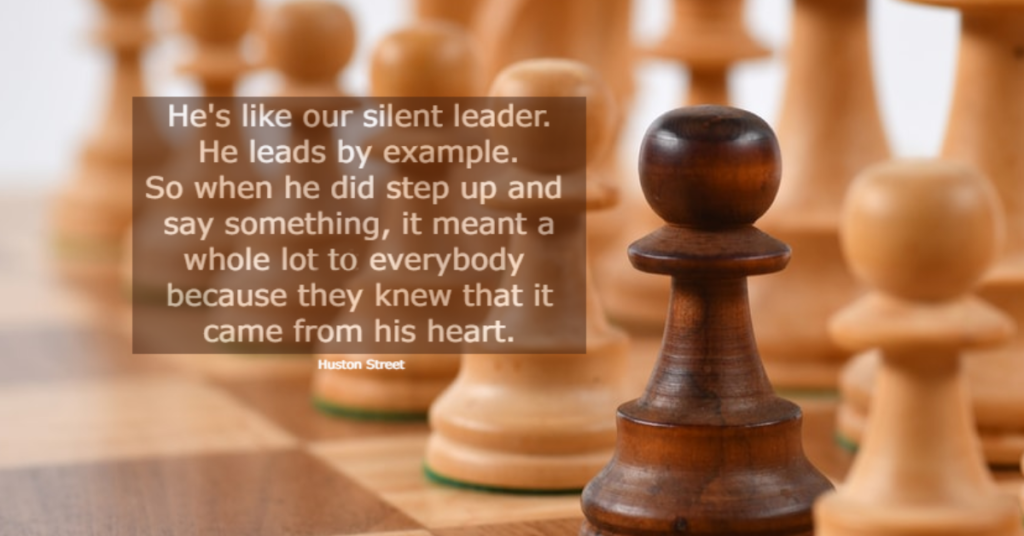
Silence is one of the most underutilized but a powerful tool, in leadership domain. Influential leaders know the power of silence and they treat it as a space where vision and precision arise instead of treating it as weakness or indecision. With the help of silence leaders activate their ability to deep listening and thinking with clarity. They learn to respond with wisdom and not impulsively.
Silence has the power to design room for introspection, give space to others to speak, and establishes a tranquil and serene environment. By mastering art of silence leaders nurture emotional intelligence and build a concrete trust with the teams, and choose decisions which are aligned and thoughtful.
Enhanced Listening and Understanding
Active listening is another substantial way a leader can harness into the power of silence. When a leader engages in conversations, meetings or group discussions, an intentional pause gives time to engage in the discussion instead of immediately reacting. This intentional pause allows for a self-analysis and deeper understanding of the subject in hand.
This helps the leaders to just not listen to the words but the meaning, emotions and intentions underneath the words. It also communicates demeanor and admiration acknowledging each team members point of view. This kind of attentive listening helps foster trust, clarity, and empowers eloquent, open dialogue
The biggest role of a leader is to understand the team’s perspectives, worries, and thought process. When they indulge in active listening it helps them cultivate keen awareness builds bridges of empathy, drives the leader to see the bigger picture, leading to well-informed decisions and sturdier and compassionate relationships.
In this scenario, the listening is a powerful form of active engagement. It displays the leader’s genuine willingness to understand than just respond. This way of working creates a healthy environment where the employees feel valued, understood are inspired to contribute the best of their capacity in the team.
Facilitating Thoughtful Decision-Making
When we talk about decision making in leadership domain, silence has a crucial role to play. When working in fast-paced, dynamic working environments, speed is often mistaken as efficiency. Silence brings in a breath of fresh air in such situations.
Taking a 30 second pause before responding or making a decision helps evaluate the available options, analyze impacts and choose with clarity. This contemplation drives to a wiser and balanced choices, the kind that is valuable, effective and relevant over a long period of time.
Silence stimulates creativity. Fresh ideas have room to breathe, when there is no unwanted pressure of filling every gap with noise or responses. There is space for innovation to naturally surface in that silent space.
An environment of deep contemplation is created by a leader who knows the value of silence. Because the team is empowered to deep thinking, they feel safe to introspect and this is where original ideas take birth.
Creating a Calm and Reflective Environment
There is a calm and introspective environment created by leaders who learn to champion silence. A calm leader with a silent composure in times of crisis or conflict becomes a stabilizing force for the team. Leaders who know to take a deep breathe, pause and know to be silent before reacting this kind of leadership allows to diminish the threat and chaos sending a powerful message.
They communicate with calmness not every problem needs an immediate answer and they become a living example of clarity arising in silence. This message allows to soothes the tensions and the team begins to mirror that stability, responding with more calmness and less of terror. Silence becomes contagious the one which is grounded that helps people to sail through uncertainty with grace and confidence.
Within an organization, silence can become a change agent and empower a culture of introspection. When the leadership team weaves that moment of silence into their workday, it can be just a brief pause before the meeting or a few minutes of contemplation at the end, it allows the team to mellow down, ease off, and reunify with the vision of the organization.
These tiny moments of silence have a huge influence. They cleanse the clutter in your mind, intensify focus, and generate space for creative energy to flow naturally. Gradually, such practices create a culture of mindfulness, a kind of where decisions are based on translucency and communication is more authentic.
The team feels grounded, calm and focused amidst the chaos of the day demands a lot. Silence is then not limited to a mere leadership tool but a consonance that brings synergy within the organization.
Encouraging Responsibility and Accountability
In the leadership realm, silence plays a quiet yet powerful role of a teacher when it comes to encouraging responsibility and accountability. When the leaders have an impulse to immediately find a solution or immediate answers; they gift their team with something really precious: space.
In that space, the team members begin to contemplate for themselves, build an ability to act, and claim their own inner power. Ownership is born in those quiet hush moments, where the team realizes their own ability and responsibility to their own problem-solving skills.
When we weave silence into leadership practices, it has a ripple effect all over. It helps intensify our listening, enhances problem-solving skills, and promotes a serene, introspective environment where consciousness and lucidity prosper. Leaders who believe in cultivating art of silence know that the true inspiration is not about speaking more, but create an atmosphere for the team to grow.
By treasuring silence, leaders build organization that are considerate, tenacious and grounded. An atmosphere where everyone’s point of view matters, and are valuable.
The Practice of Silence in Daily Life
Making a habit to spend moments of silence daily can truly transform your life. We live in a world that is on a relentless move, there are constant hums of notifications, chatter of our own thoughts, when you choose silence, it is like giving oxygen to your own mind. It is in those silent pauses you are able to give yourself the ear again, find peace amidst the noise, and reconnect with what truly matters.
Try these gentle, practical actionable ways to welcome silence into your routine, not as an escape but as a way to refuel, refocus and realign with your inner peace.
1. Begin the Day with Silent Reflection
When you start your day in solitude it gives your mind a certain calmness and intentional tone. Resist your urge to grab your phone as soon as you wake up. Just sit quietly in any corner of your house, maybe by a window or a balcony. Take in some fresh air of the early mornings. Feel the calmness and stillness around you. Let the chase of thoughts settle before the day starts.
In those peaceful moments, gently set your intentions, introspect how you want to show up, and set up your frequency into a sense of peaceful presence. This amazing practice will shift your energy, grounding you, clearing your mind, and supporting you to enter the new day with ease and grace.
2. Incorporate Silence into Your Morning Routine
Weave silence in your morning routines, in the simplest, ordinary moments. While you are making your coffee, your shower time, when you are getting ready for work. Omit the external noise. Turn off anything and everything, podcasts, music, news. Just be with the silence.
Listen to the noise you usually don’t listen to, the bubbling of the coffee, your rhythmic breath, the sensation of water when going down your body. These tiny pauses gently guide you to the present moment. They create a sense of calm clarity before you are ready for the day. It helps you prepare for the challenges of the day with focus and determination.
3. Practice Mindful Eating
A beautiful way to reconnect with life with one of simplest joy of life is to eat in silence. Mindful eating gives you pleasure to another level. Start slow, try eating one meal without any distractions no TV, no social media, no dinner table talks. It is just you with your food connecting. When you relish your food, observe each bite, the taste, the colours, the texture, the ways different flavours dance on your taste buds.
Be grateful for your meal. It is more than nourishing your body. An act of gratitude, self-care and presence. As you keep practicing this simple practice, your digestion improves along with your relationship with food and yourself.
4. Take Silent Walks
Grounding and restorative practices you can bring into your life are silent walks. It could be a simple stroll through a park, a quiet street, or a sidewalk, leave your phone behind or keep it on silent. Let the world reveal itself newly, eliminating the constant need of notifications or noise. Turn into your senses with every step you take.
Feel the rhythm of your steps, the cool breeze on your skin, listen to the rustle of the leaves or a hum of a bee on the trees.
Observe the colors, the lights, the minute details which usually you miss. Your mind begins to soften in this silence. The nonstop chatter diminishes; it is replaced by silent awareness and a deeper connection to the universe as it is. A simple silent walk has the power to turn into a walking meditation, a ride back to presence.
5. Designate Tech-Free Times
Silence is a rare gift of constant buzz of notifications, call and messages. A fresh air pumped into our soul is experienced when you are off your screens even for a small duration. For you to grow, ensure to make space for silent moments, right after you wake up, while having food, or before you call it a day.
These silent moments are not empty, they are where intelligence returns, stress melts away and your search of way back to yourself is found.
6. Use Silence in Transitions
Take advantage of moments of silence when you have gaps throughout your day. Practice silence when you commute, or when you are transitioning from one meeting to other, waiting for a lift. Checking your emails or listening to music and filling up these moments, instead choose silence. Utilize these moments for deep breathing, introspection or simply look out of the window.
7. Create a Silent Space at Home
Create a designated safe, cozy, comfortable space in your home for practicing silence. Let that corner become your safe space. You can do your meditation, reading, journaling, or spend quiet moments with yourself. This space is a gentle reminder for you to take care of yourself, take out time and connect with yourself. It is a place where your mind and heart find peace and renewal.
8. End the Day with a Silent Ritual
A gentle ritual of completing your day in silence is a powerful practice. It is an unwinding process to let go and release all the stress. You can choose meditation, deep breathing, simple journaling, or sipping a nice coffee without distractions. This will relax your mind, and give required rest and invite a deep, sound sleep.
Inviting silence into your every day life is a powerful but gentle way to nourish your mental well-being. When those moments of silence are created, you welcome serenity, tranquility, and deeper connection with yourself and the world.
When you consistently weave the practice silence in your life, it significantly increases mental clarity, soothes the heart, and enriches your quality of life.
The Ethics of Silence: When Silence is Not Golden
We all vouch for the magical powers that silence has to offer, but there are times when silence can be detrimental. The ethics are perceptive on when remaining silent can hide the truth, supports in wrongdoing, or permits injustice to happen.
Silence is ethical when you know when to use your voice and when to remain silent. True wisdom is understanding and identifying the right situation that silence is powerful, but to find the courage to speak up when it is essential.

Silence in the Face of Injustice
One of the most damaging forms of silence is being silent in times of injustice. When we choose to remain silent in witnessing cases of discrimination, oppression or violence, our silence unconsciously encourages the harmful systems. When we choose silence over speaking up, you become a part of conspiracy, permitting prejudice to continue.
Let’s take an example, when you choose silence in situations like racial discrimination, gender biasness, or human right abuses, you are the one giving power to these wrong doings. Authentic moral responsibilities empower us to speak up, to support those who cannot do it for themselves, to call out the unfairness in the system, and create a world designed in impartiality and kindness.
Silence and Accountability
In both personal and organizational contexts, silence can be harmful. In workplace environment, when you remain silent against immoral behaviour, nuisance or safety matters encourages people to continue doing the wrong things.
Most of the time people remain quiet because of fear, repercussion or losing their jobs. This silence enables immoral behavior and blocks healthy environment.
In personal relationships, silence plays a key role in maintaining emotional distance. When we start avoiding discussions about fights, healthy boundaries, or unfulfilled expectations, it often drives misinterpretations and bitterness.
Genuine intimacy and accountability nurtures in open conversations, authentic exchange of emotions, expressing your opinion with care helps in healing far more than silence can.
Silence and Mental Health
When we observe silence in mental health domain, silence is damaging, preventing an individual to share their issues or seeking help. People hold from sharing because they fear of judgment or are burdened by societal expectations. Silence drives the person to loneliness, shame, and depth of emotional pain.
Giving a voice to that silence is an act of courage. Openly discussing on their mental health supports an individual to find liberation and assist them in chipping away at the humiliation surrounded by it.
The Power Dynamics of Silence
The influence of silence varies determining who is in power. Silence becomes a subtle weapon for people who are in authority. With the help of the weapon, they have the power to manage perceptions, curb other people’s views, or be in control. People without power are driven by fear, tyranny, or a sense that their opinion do not matter.
Understanding the authority structure of power is important. True ethical awareness means recognizing when silence protects power and when it signals pain. When you create room for the overlooked and encourage courageous narration it supports in restoring balance, fairness, and humanity in the system.
Silence as a Form of Passive Aggression
In relationships, we all advocate silence, but at times silence is used as a weapon. In other words, “silent treatment”. Silent treatment is a way of passive anger which is used to penalize or control without uttering a word.
This treatment propagates misunderstanding, increases anxiety and hold back emotional healing, as a result both the sides are disconnected and unheard.
True integrity lies in knowing the difference. When silence fabricates truth, allow oppression, and escape from commitment. Knowing the context and breaking the silence requires courage and kindness. Finally, right communication is all about utilizing silence and words with understanding, authenticity and purpose.
Personal Stories: How Successful People Have Used Silence as a Strategic Tool
A lot of influential leaders and visionaries have harnessed the power of silence. When used intelligently, it becomes more than absence of words, it becomes a saga of profundity, poise and mindfulness.
Whether it is a silent hiatus before a crucial decision, paying close to attention to someone, or keeping composure in intense moments, silence has the power to convey power and wisdom more efficiently than words ever could.
Let’s get deeper understanding by few stories of successful individuals who mastered the art of silence and used it as a tool for clarity, influence, and success:
1. Mahatma Gandhi: The Power of Nonviolent Silence
Mahatma Gandhi, the guiding force in India’s freedom movement, knew the strength and power of silence. He used silence as a moral power and not withdrawal. Embedded in his idea of ahimsa (nonviolence), he used silence as a weapon to introspect, object, and influencing.
His moments of silence, whether during fasts or public demonstrations, carried more weight than words ever could. Gandhi demonstrated silence which spoke volumes, during the 1930 Salt March. He confronted the empire, without raising his voice.
His silent rebelliousness inspired millions of Indians to stick their guns in truth and discipline. His silence was a powerful message to the world. Gandhi reminisced the world that true power crop up not from cacophony or hostility, but from inner conviction and quiet determination.
2. Steve Jobs: The Strategic Silence of Innovation
Steve Jobs, the visionary co-founder of Apple, mastered the art of silence as duo, an artistic and a tactical means. Jobs never revealed much about his plans and disclosed little, by choosing his words carefully and reserving important details until the perfect moment arrived.
This purposeful silence-built uncertainty and altered Apple’s product launches into cultural wonders. It was time when the world waited eagerly for the wonders they expected from Apple.
Within apple’s premise, Jobs used silence as efficiently. Instead of spoon feeding, he permitted his team to struggle with problems, think out of the box, and unearth breakthroughs on their own. His silence pushed the team to scrutinize thoroughly, enrich their ideas, transcend their own limitations. In Job’s universe, silence never meant emptiness, it meant space. Space for origination, awareness and mastermind to clarify.
3. Nelson Mandela: The Silence of Wisdom and Resilience
The former President of South Africa, Nelson Mandela, knew the enormous power that silence could hold. His silence was never surrender it was a strategy he used during his 27 years in prison. Behind is unwavering resolve was unfathomable introspection, inner revolution, and a nonchalant commitment to his people’s freedom.
Mandela was wise and he chose silence wisely. He held back words while speaking can jeopardize others or compromise the bigger picture of freedom. And when he finally spoke, his words carried the weight of decades of restraint, wisdom, and conviction.
His silence became a bridge for healing after his release. Instead of going in the trap of revenge, he provided listening. He let silence to soften the injuries and expand space for forgiveness.
By executing this, he demonstrated the world that true leadership not mean speaking louder but also knowing when to stay silent, and letting that silence speak of power, pride and harmony.
4. Winston Churchill: The Tactical Use of Silence in Leadership
Winston Churchill, Britain’s unconquerable leader during World War II, comprehended that silence has the same power as words. Churchill was recognised for his electrifying speeches; he used calculated pauses and considerate silence to give gravity to what he said.
Each pause captivated his audience in, allowing his message to land with greater force and emotional depth. Churchill’s geniuses of silence prolonged beyond his public addresses.
In confidential discussions, his silent pauses were used to read the room—to sense the unverbalized fears, worries, and inspirations of those around him. His silence gave him the superior edge, allowing him to respond with meticulousness, intelligence, and dominance.
In a time when the world needed courage and precision, Churchill showed that purposeful silence can inspire just as powerfully as words. It became his secret weapon, amplifying his leadership and strengthening his resolve in history’s darkest hour.
5. Abraham Lincoln: The Silent Reflection of a Leader
Abraham Lincoln, was the 16th President of the United States, personified immense strength of ethical leadership. He was recognized for his introspective character. Before making any decisions, Lincoln always turned to silence.
He used those quiet moments to ponder every perspective of the issue. He was very well aware that haste will never take him to wisdom, instead it is that stillness where he can achieve the required wisdom.
The darkest moments that Lincoln faced was during the Civil war. Rather it is mentioned as the most divided period. Silence was his haven for contemplation. He practiced listening more than talking.
He took time to engross the pain, expectations and worries of his people before defining on policies that would change the trajectory of events. His silence and contemplation were never signs of weakness or defeat rather it came from deep integrity.
Lincoln’s example is a reminder for us that a purposeful silence, is not emptiness but it’s power. It opens up a playground for wisdom, kindness, and vision taking shape beyond the noise and chatter. Lincoln with harnessing the power of silence proved, that silence can lead the way to greater leadership, mould nations, and move humanity towards progress.
Embracing Silence as a Path to Inner Peace
Something like silence is so simple yet so deeply misunderstood in our chaotic world. We are so uncomfortable with every pause, every quiet moment, that we rush to fill it in. We are dreadful of those silences of what might surface if we do not listen. But we forget that within those moments lies the magical power, a gateway to peace, lucidity and self-actualization.
If we can view it from various perspectives, whether in the context of self-contemplation, healing peace found through therapies, or the tender hiatuses in which we reconnect with ourselves, hear the whispers of our intuition, and find the equilibrium stolen by our busy lives. Silence isn’t emptiness — it’s presence. It’s the space where growth, healing, and wisdom quietly take root.
Key Points
- The Power of Silence in Communication: Silence has the power to enhance listening. When silence consciously practiced in conversations, we allow ourselves and others the space to authentically connect and listen, to contemplate and to experience oneness. Words gain weight, emotions have space to breathe, and comprehension flows naturally. Accepting silence in this manner helps build strong foundations in relationships, and turn ordinary interactions into meaningful dialogue.
- Silence in Art and Literature: Silence is used as a subtle language of expression by artists and writers. Silence creates a space where deep meaning loiters beyond words and forms in both visual art and literature. The audience is invited into the realm where they pause, experience and decipher. They fill up the silent moments with their own feelings and introspections. Silence transforms from emptiness into existence, permitting the art to converse with the soul.
- Therapeutic Benefits of Silence: : Mindfulness, meditations and silent retreats are few practices which allow you to tap into the power of silence to bring lucidity to the mind, and healing to the heart. When you practice power of silence, the noise in your environment fades, creating space for contemplation, and character development. Silence is a sacred space where harmony, mindfulness and inner evolvement unfold organically.
- Ethical Considerations of Silence: When power of silence used in incorrect context can turn dangerous from helpful. When you come face-to-face to injustice, immoral behavior or personal suffering ensure to not remain silent. By doing so, you allow dangerous impacts to continue unchallenged. True intelligence is to decode the right time to speak and when to be silent. Silence is not about avoiding anything, it about sensitivity and right judgment, courage and the responsibility to use your voice when it matters the most.
- Strategic Use of Silence: : Influential leaders like Mahatma Gandhi, Steve Jobs, and Nelson Mandela have exemplified how silence used with intention and a deep purpose becomes a force of influence and strength. With the help of their calm demeanour and mindful silence, they inspired causes, sparked revolutions, and led with courage. They deeply understood silence is not disengagement but it is about existence, contemplation and a power beyond words.
Embracing silence in your own life can offer numerous benefits, from enhancing your personal and professional relationships to fostering a deeper connection with yourself. Consider integrating moments of silence into your daily routine, whether through mindful reflection, quiet walks, or deliberate pauses in conversations. By exploring and incorporating silence, you can cultivate a greater sense of inner peace, clarity, and well-being.
As you navigate the noise of everyday life, remember that power of silence is not merely the absence of sound but a space for reflection, understanding, and growth. Embrace the quiet moments, and allow them to guide you toward a more peaceful and centered existence.
Additional Resources
For those interested in delving deeper into the concept and benefits of silence, there are a variety of books, articles, and resources available. Here’s a curated list to help you explore the multifaceted power of silence:
Books
- “Silence: The Power of Quiet in a World Full of Noise” by Thich Nhat Hanh
- A renowned Buddhist monk and spiritual leader, Thich Nhat Hanh explores how silence can be a profound source of inner peace and mindfulness.
- “The Sound of Silence: The Changing Role of Music in the Study of Communication” by John Smith
- This book examines the role of silence in communication and how it can be used strategically in various contexts.
- “Quiet: The Power of Introverts in a World That Can’t Stop Talking” by Susan Cain
- Susan Cain’s book delves into the strengths of introverts and the value of quiet in a world that often undervalues it.
- “The Art of Stillness: Adventures in Going Nowhere” by Pico Iyer
- Pico Iyer explores the benefits of stillness and silence in our busy lives and how they can lead to a deeper sense of fulfillment.
- “The Power of Silence: Against the Dictatorship of Noise” by Carlos Castaneda
- Castaneda’s work discusses the transformative power of silence and its role in personal and spiritual growth.
Articles
- “The Science of Silence: How Quiet Can Boost Your Brainpower” – Scientific American
- This article explores the scientific benefits of silence on brain function and mental health.
- “The Need For Silence” – Psychology Today
- An in-depth look at how silence can be used to enhance mental well-being.
- “The Busier You Are, the More You Need Quiet Time” – Harvard Business Review
- This article discusses how periods of silence can foster creative thinking and problem-solvingwhen you get busier everyday.
- “Silence Is a Form of Communication: What Are the Pros and Cons?” – PsychCentral
- A detailed examination of how silence functions in various forms of communication and its impact on interpersonal interactions.
Online Resources
- Mindfulness and Meditation Resources
- Headspace offers a range of guided meditations and mindfulness practices that incorporate silence and reflection.
- TED Talks on Silence and Mindfulness
- A collection of TED Talks that explore different aspects of silence, mindfulness, and their benefits.
- Silent Retreats and Meditation Centers
- Dharma Ocean provides information on retreats and centers where you can experience extended periods of silence and meditation.
- The Center for Contemplative Mind in Society
- Offers resources and practices focused on contemplative silence and its applications in various areas of life.
By exploring these resources, you can gain a deeper understanding of the many dimensions of silence and its potential to enhance personal and professional life. Whether you’re interested in its spiritual, psychological, or practical aspects, these books, articles, and online materials provide valuable insights into the transformative power of silence.
RELATED TOPICS
Young Soul – 20 Signs to Prove your Beautiful Innocence
Healing the Soul of a Woman: 7 Awesome Steps for Inner Peace
Spiritual Meaning of Forgiveness: 6 Ways to Heal the Soul
Soul Purpose Uncovered: 4 Powerful Strategies for a Meaningful and Passionate Life




I have been examinating out a few of your posts and i must say pretty nice stuff. I will surely bookmark your website.
Nicely articulated
Thank you
Thank you very much
Compelling read
Thank you.. feels good when the work is appreciated